
Disclosure: This article contains affiliate links. If you buy through one of them, we may earn a small commission at no extra cost to you.
Quick Answer
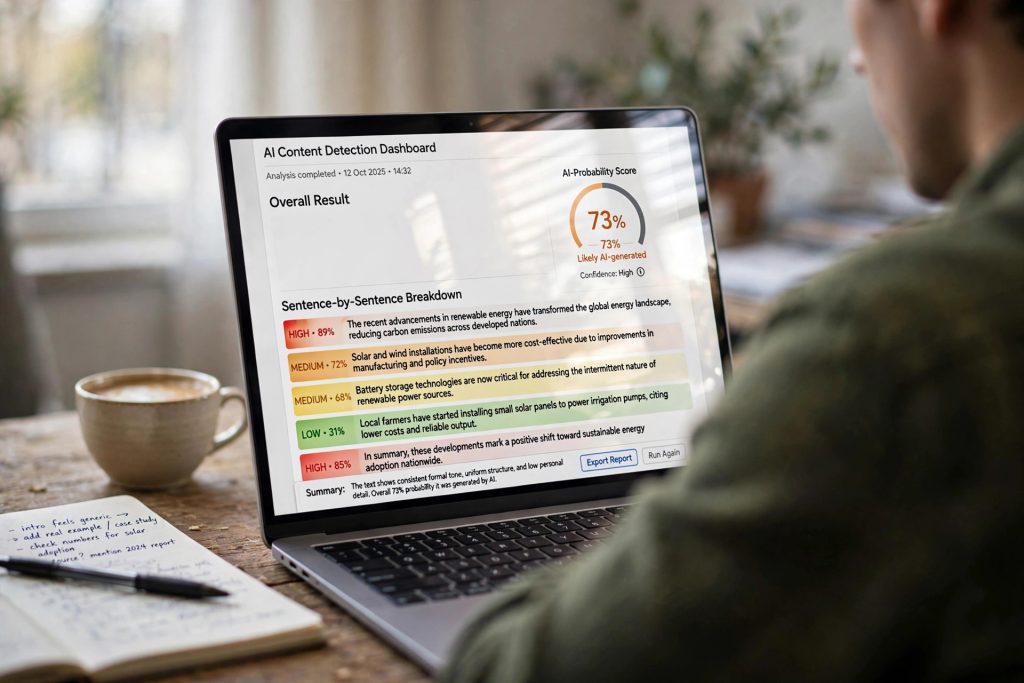
From the dispute desk, the arms race looks less like a war and more like weather. A detector updates, scores jump, my inbox fills. A rewriter updates back, scores settle, the inbox empties for a fortnight. Neither side wins, because winning would end the subscriptions on both ends. The people who come out fine are never the ones with the cleverest tool. They are the ones who kept drafts, notes, anything dated, from before the argument started.
Let me start with the number nobody prints. In the disputes I see, the advertised accuracy of a detector and the accuracy that matters are two different statistics living in two different rooms. The advertised one is measured on samples the maker chose. The one that matters is measured on your text, your subject, your second language or your house style, on the day someone decided to check. I cannot give you that second number. Nobody can, in advance, and the honesty gap between those two rooms is where most of my working week happens. A claim of near-perfect detection deserves the trust you would give a weather forecast for a city you do not live in.
The rewriters move faster, and that asymmetry shapes everything. A rewriting tool is a smaller thing to update than a detector, it ships a tweak, the scores it was built to lower start lowering again, and for a window of weeks the paying customer feels vindicated. Then the detector retrains. I have watched the same disputed paragraph cross my desk in different months wearing different scores like coats. Actually, that is not quite right. The paragraph did not change at all. Everything around the paragraph changed, which is worse, because it means the verdict was never only about the text, and the person being judged rarely gets told that part.

There is a pattern in which cases end well, and it is almost insultingly dull. Version history. A draft from Tuesday with a worse headline. Notes in the margin in the writer’s own shorthand, typos and all. When that material exists, the dispute usually ends, not because anyone proved a negative, you cannot prove a negative, but because the process on display looks like writing and nobody in the chain wants to argue with writing happening in front of them. When the material does not exist, the case becomes two scores shouting at each other, and the louder budget wins. I did not expect, starting this work, how much of it would be filing advice. Keep your drafts. It is not a slogan. It is the whole defense, most of the time.
The rewriters have a cost their pages price in money only. Run a text through enough passes and something thins out, the specific detail, the odd true thing that made the piece worth defending in the first place. I see the after versions in dispute files, clean, plausible, slightly dead, and sometimes the saddest part of a case is that the writer won the score argument with a text that no longer says what they meant. Meaning, thinned. Nobody appeals that. There is no form for it. I have not tested every rewriter on the market and I do not know the internal thresholds any detector uses, the reps cannot see them either, whatever the support chat implies at midnight.

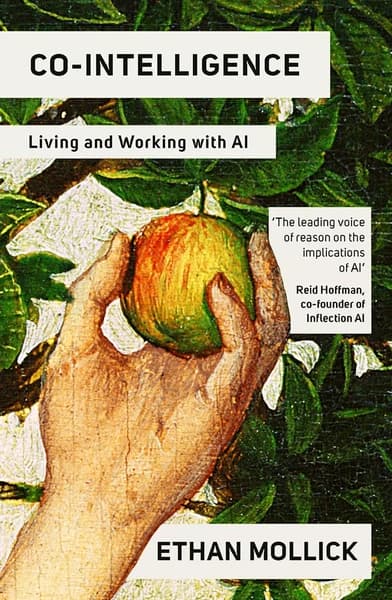
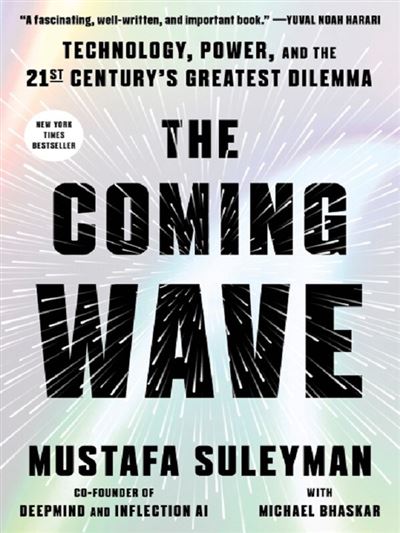
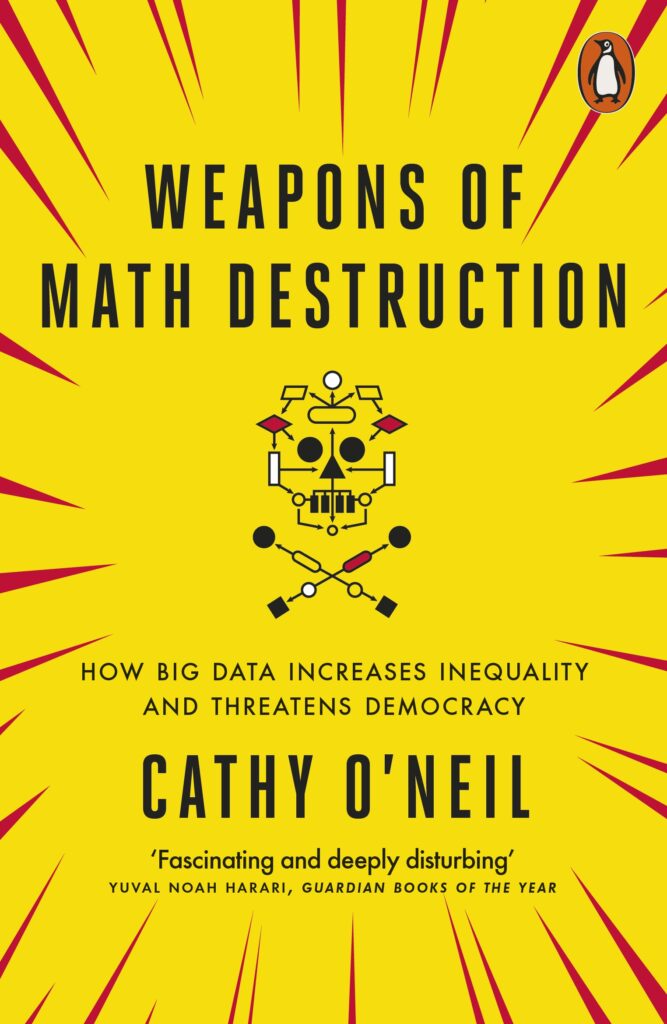
The three books in the box are the ones I would hand to someone who wants to understand the race rather than bet on a lap of it. Weapons of Math Destruction is the oldest and still the sharpest about what happens when a score becomes a gatekeeper and stops answering questions. Co-Intelligence covers the working-with-it side, how people actually fold these systems into a day without surrendering judgment. The Coming Wave is the widest shot, about synthetic content flooding every channel at once. None of them will tell you which tool to buy this month. All three explain why that was the wrong thing to ask a book, or a detector, in the first place.
If you are standing in a dispute right now rather than reading for pleasure, the cases in this review for non-English writers show how the same score lands differently depending on the writer, and this academic English review covers the version of the race that plays out over papers and methods sections. The memoir world has its own front in the war, covered in this piece on AI-assisted memoir writing, where the disputed thing is not an essay but a life story, which raises the stakes in a way my forms are not built for.
Another update landed while I was writing this, I will not say whose, and somewhere a dashboard is turning a new color and someone is screenshotting it in a panic I will probably meet next week. The paragraph they are worried about has not changed. It is sitting in a document being exactly what it was, while the numbers orbit it like weather around a house. I keep thinking about the house.
Frequently Asked Questions
A detector says 92% on my text and a rewriter ad promises to get it under 5%. Who is telling the truth?
Both, about their own moment, which is the trap. The 92% describes your text against this month’s model. The promise describes the same text after rewriting, against the same model, until the model changes. Neither number is a property of your writing the way its word count is. Treat scores as readings from an instrument that gets recalibrated without telling you, because that is close to the literal situation, and keep the draft history that does not change when the instrument does. That folder has ended more arguments than any tool I know.
If I run my draft through a rewriter twice, does it get twice as safe?
No, and the second pass is where the damage usually shows. Scores do not improve in a straight line, they jump around, sometimes barely moving, sometimes dropping for reasons nobody explains to you. The text, though, keeps paying. Specific details go first, then the rhythm that sounded like you, then the odd true sentence a reader would have remembered. I have read dispute files where the twice-rewritten version passed every check and said, in the end, almost nothing. Safe and empty is a bad trade that looks good on a dashboard.
Why did my score change when I changed nothing at all?
Because the other side of the instrument moved. Detectors retrain, thresholds shift, and a text that read as human-written in spring can read differently by autumn without a single keystroke from you. This is the part of the arms race that lands on people who never enlisted in it. If a score matters to your work or your studies, save dated copies of your drafts as you go. Not because you expect a fight. Because the reading can change after the fact, and your drafts are the only witness whose testimony stays put.
Disclosure: Some links in this article are affiliate links. Purchases made through them may earn us a commission, and that support helps keep our testing and writing independent.