
Disclosure: This page contains affiliate links. If you buy through them, we may earn a commission at no extra cost to you.
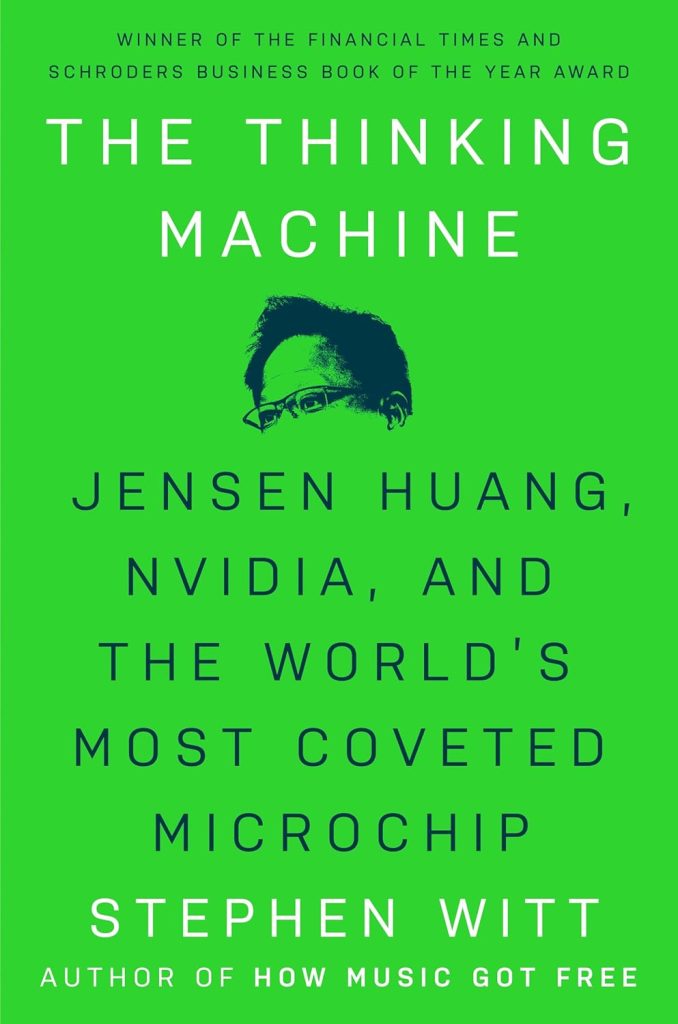
Every AI headline eventually runs into the same company. The models change, the chatbots rebrand — and underneath nearly all of it sits hardware from Nvidia, a firm that spent decades selling graphics cards to gamers. The Thinking Machine: Jensen Huang, Nvidia, and the World’s Most Coveted Microchip, by Stephen Witt and published by Viking in April 2025, is the reported account of how that happened, and this The Thinking Machine book review tests whether it deserves that shelf space.
The reception gives a buyer some signal. The book won the Financial Times and Schroders Business Book of the Year Award. The New York Times Book Review called it “a lively biography.” The Economist called it “an excellent biography of Jensen Huang” that also explains the computer science behind large language models.
Witt earned the access behind those quotes. He wrote How Music Got Free, a well-regarded account of digital piracy, and contributes to The New Yorker. For this book he interviewed Huang himself, plus friends, investors, and employees — the publisher’s phrase is “unprecedented access” — and the result reads like a biography with a technology explainer running underneath it, not a memoir the subject dictated.

Worth buying? For readers who want to understand why one chip designer sits at the centre of the AI boom — yes. For business readers who keep meeting Nvidia in earnings coverage without a mental model of the company — yes. For engineers hunting circuit-level depth, or critics hunting an investigation of Nvidia’s market power, the honest answer is no, and the sections below say why.
Quick Answer
Buy The Thinking Machine if you want the hardware side of the AI story: how Jensen Huang bet Nvidia on AI more than a decade early, why graphics processors fit neural networks, and how one supplier became unavoidable. Skip it if you want deep engineering or a hostile investigation. This The Thinking Machine book review rates it a strong buy for general and business readers, a considered pass for specialists.
Compare Top Books on AI Companies and the Chip Race
Three proven picks side by side — choose the one that fits your needs.
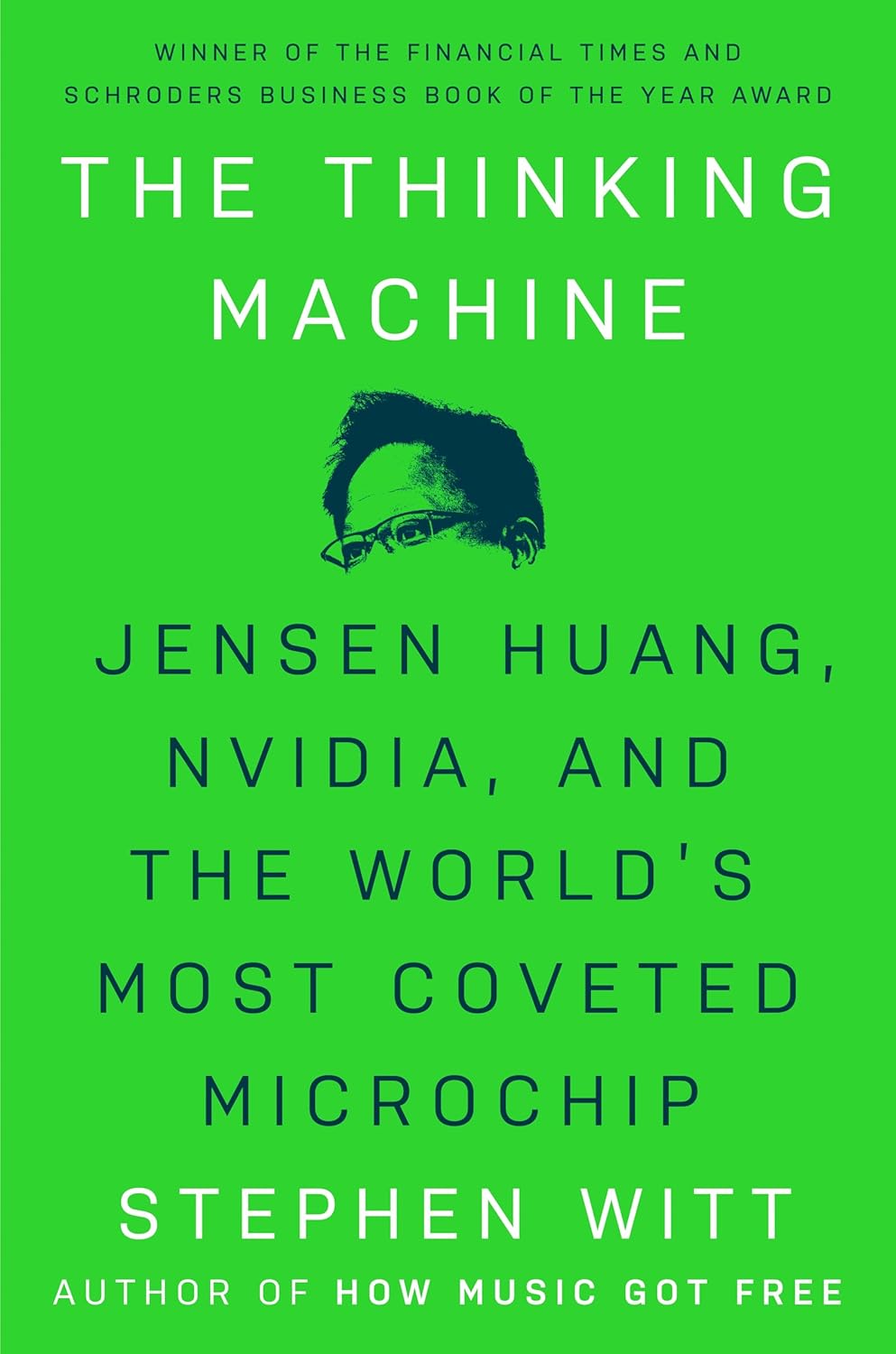
The Thinking Machine by Stephen Witt
The hardware story — Huang, Nvidia, and the chip the AI industry runs on
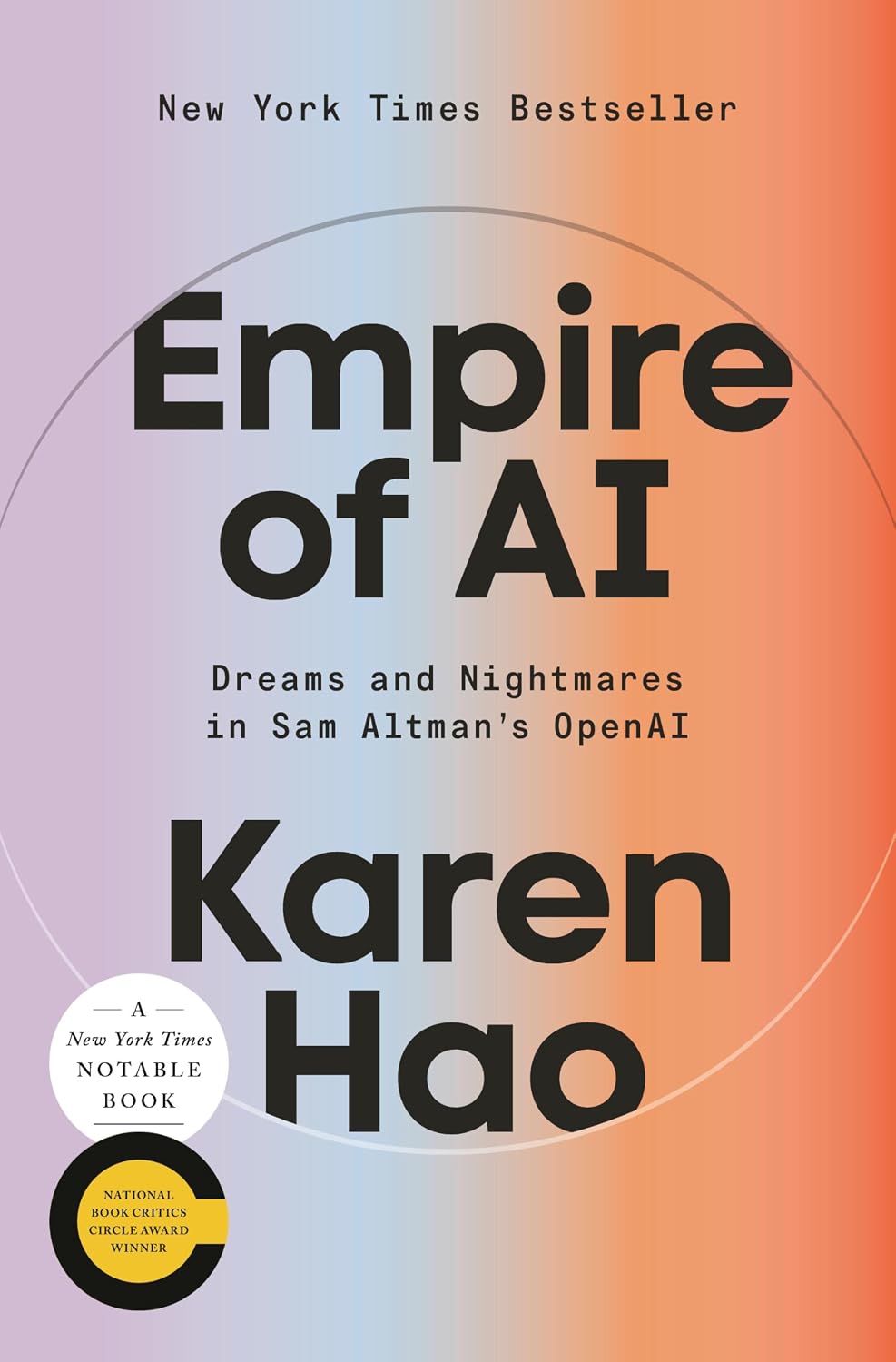
Empire of AI by Karen Hao
The software-side inside story — OpenAI’s boardrooms, money and mission fights
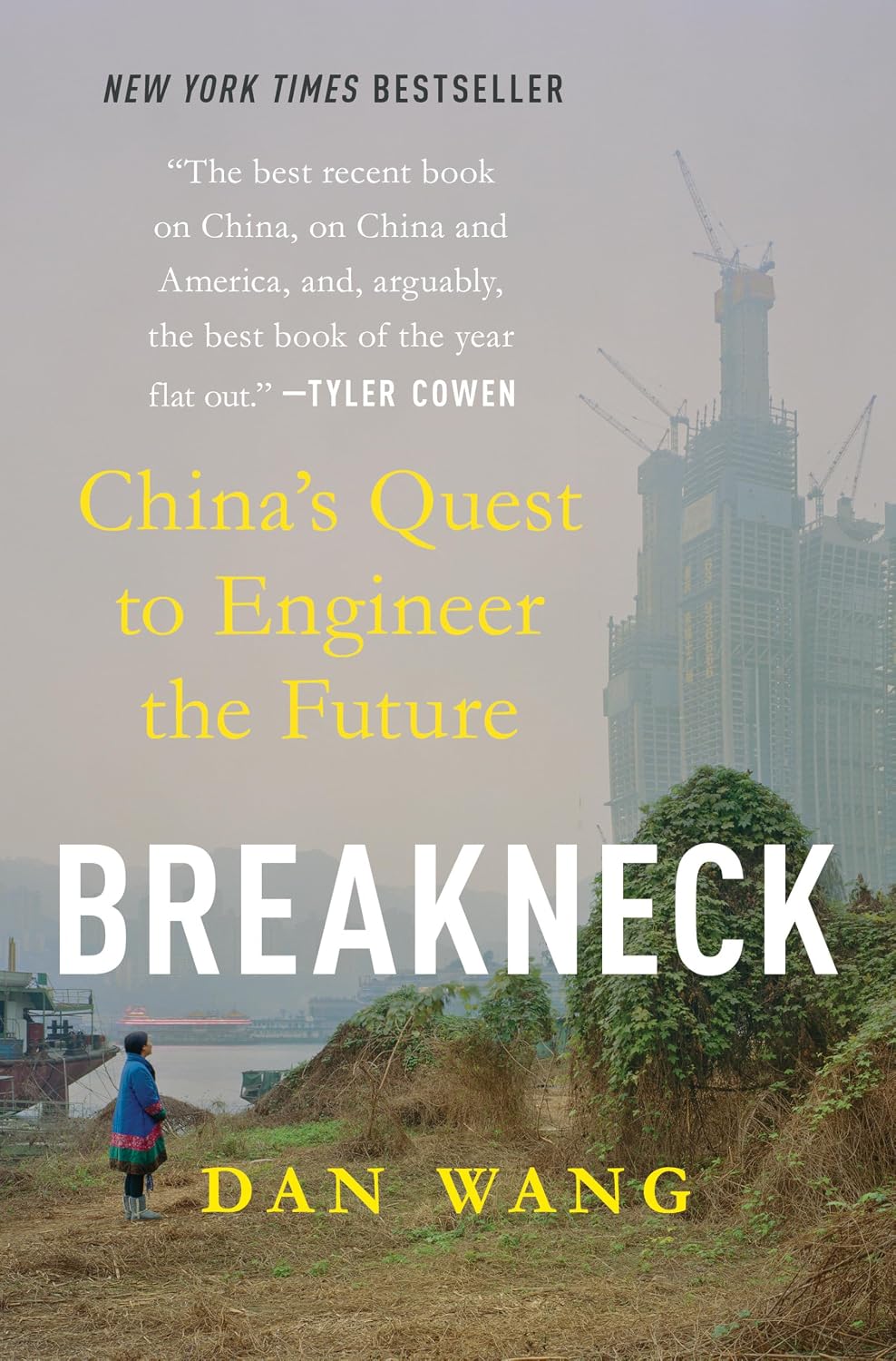
Breakneck by Dan Wang
The state-capacity view — engineering states, lawyerly societies, and who builds the future
Prices and availability may vary — tap any product to check the current listing.
The Thinking Machine: What to Look For in a Book About the Chip Behind AI
Books about AI companies fail in familiar ways. Some read like investor-relations brochures. Some bury a simple story under jargon until only engineers remain. Six tests separate a company book worth finishing from one worth skimming, and this The Thinking Machine book review runs Witt’s book through each.
1. The hardware explained for non-engineers
The central puzzle is technical: why did a chip built to draw video-game explosions turn out to be the right machine for training neural networks? Witt’s answer — graphics processors do many small calculations at once, and neural networks happen to be many small calculations — arrives through everyday comparisons rather than diagrams. The honest limit: explanation stays at the level of intuition. A reader who wants memory bandwidth and interconnect detail will finish informed about strategy and still hungry on engineering.
2. Access you can feel on the page
Reported biography lives or dies on sourcing. Witt interviewed Huang, his friends, his investors, and his employees, and the texture shows — scenes carry small, unflattering details that press releases edit out. Huang’s management style, famously demanding, gets described rather than admired. The trade-off with access is real, though: a book built on a subject’s cooperation tends to adopt the subject’s framing late in the story, and readers should notice how much of the final act is Huang’s own “next industrial revolution” pitch, retold well but retold.
3. The platform bet as the hinge of the story
Plenty of company books are chronicles: this happened, then that happened. This one has a hinge. More than a decade before the current boom, on the strength of early scientific results, Huang steered Nvidia toward AI and kept funding CUDA — the software layer that let researchers program his chips — through years when Wall Street treated the spending as a distraction from gaming. That bet, and the lock-in it created, is the book’s analytic core. If the current listing tempts you, check the current listing for format options before you commit.
4. A founder portrait, not a highlight reel
Huang is the only chief executive Nvidia has ever had, which makes the company unusually legible through one person. Witt uses that: the immigrant childhood, the founding meeting in a Denny’s booth in 1993, the leather jacket that became a signature. The portrait includes the costs of his intensity — colleagues describe a workplace organised around his impatience. What it mostly skips is the counter-case. Rivals and regulators get walk-on parts, so readers who want the argument against Nvidia’s dominance assembled in one place will need a second book.
5. Stakes that reach beyond one company
A chip book earns its keep when the company story opens onto the bigger one. Witt follows the silicon outward: supercomputers, data centres reshaping power grids, export rules turning a graphics processor into a geopolitical instrument. That outward movement stays secondary, though. Readers whose main question is the state-versus-state contest over who builds the future will find the fuller treatment in the comparison title below.
6. Length and pace that respect the reader
The hardcover runs about 272 pages, and it moves. Chapters are short, scenes open mid-action, and the technical passages are rationed. The cost of the pace is depth in the final third: the story is still accelerating when the book ends, because the underlying story is too. No epilogue can settle where Nvidia goes next, and Witt wisely doesn’t fake one.
Who Should Read It — and Who Should Skip It
Three reader types keep circling this title. Two should buy it without much deliberation. The third should spend the money on a different book.
The business or investing reader who keeps meeting Nvidia secondhand
Your feed already contains this company — in earnings stories and data-centre announcements — but the pieces never assembled into a picture of why Nvidia, specifically, won. This book assembles it: the CUDA ecosystem, the decade-early bet, the culture that executed both. Pair it with the software side covered in our Empire of AI book review and you hold the two halves of the current AI economy, hardware and models.
The curious general reader who wants the explainer, not the prospectus
You don’t follow chips. You follow the news, and the news keeps insisting that a microchip is now a strategic asset on par with oil. Fair question: how? Witt wrote for you — the biography carries the narrative, the technology arrives in digestible pieces, and the whole thing reads like a magazine feature stretched honestly across a short book. No investing thesis required, no engineering degree assumed.
The specialist, the critic, or the geopolitics-first reader — skip this one
You design accelerators, or you want Nvidia’s market power interrogated rather than narrated, or your real subject is the industrial contest between the United States and China. This book will under-serve all three purposes, honestly. It stays close to its subject and keeps export politics in a supporting role. The state-capacity argument gets its fullest recent treatment in our Breakneck book review, where the third reader should start instead.
How It Compares With Empire of AI and Breakneck
Three 2025 books dominate the serious AI shelf, and buyers keep treating them as substitutes. They aren’t. Each answers a different question: who supplies the machines, who builds the models, and which kind of state can still build anything at scale. For the earlier generation of that question, start with our AI Superpowers book review, which covers the US–China AI race as it looked before the chip era arrived.
| Book | Central Question | Approach | Reading Level | Best For | Watch-Out |
|---|---|---|---|---|---|
| The Thinking Machine by Stephen Witt (Viking) | How did a graphics chip company become the supplier AI depends on? | Reported biography of Huang and Nvidia, with the technology explained in plain language | General reader; brisk, scene-driven | Readers who want the hardware story and the founder bet behind it | Stays close to its subject; rivals and critics get little room |
| Empire of AI by Karen Hao | What is happening inside the lab racing to build the models? | Investigative account of OpenAI — its money, mission fights and internal culture | General reader; denser, more adversarial | Readers who want scrutiny of the model builders | The hardware layer stays offstage almost entirely |
| Breakneck by Dan Wang | Which kind of society can still build the future? | Essayistic comparison of China’s engineering state and America’s lawyerly one | General reader; argument-led | Readers focused on industrial capacity and geopolitics | Companies and founders appear as evidence, not subjects |
Where The Thinking Machine beats the other two
It owns the layer the others skip. Hao’s book treats computing power as a budget line; Wang’s treats chips as one exhibit among many. Witt makes the hardware itself the story — why parallel processing fits neural networks, why a software layer mattered more than any single chip, why supply became strategy. After this book, words like “compute” in the news stop being fog. That clarity is the product being sold, and it delivers.
Where it is weaker
Critical distance. Hao writes as an investigator with a thesis about her subject; Witt writes as a biographer with access to his. Access produces scenes nobody else has, and also a book whose late chapters echo Huang’s own account of what Nvidia means. Readers should hold both facts at once. The book is the stronger narrative and the softer cross-examination — precisely why pairing it with one of the other two works so well.
The Thinking Machine book review: Two Ways Readers Actually Use This Book
The background brief before the money conversation
The occupational use is quiet but common. Analysts, founders, and policy staff keep getting pulled into conversations — an investment committee, a procurement decision — where Nvidia’s position is assumed rather than explained. A weekend with this book replaces the assumption with the mechanism: the bet, the ecosystem, the moat. It won’t make anyone a semiconductor analyst. It will stop a smart reader from bluffing, which in most rooms is the actual requirement.

The weekend explainer for the AI-curious
The second use is simpler. A reader who has absorbed two years of AI headlines wants one book that explains the physical foundation under all of it, in language that respects a non-specialist, at a length a weekend can hold. At roughly 272 pages with short chapters, this is that book — the award it won was, after all, a business-book prize judged on exactly that combination.
Common Mistakes Buyers Make With AI Business Books
Mistake one: buying it as an engineering text. The technology here is explained for intuition, not specification. Readers who need architecture detail will find the strategy rich and the silicon thin — a buying error, not a book defect.
Mistake two: buying it as an investigation. Witt is a biographer with access, not a prosecutor. Readers who want Nvidia’s dominance challenged at length should choose the investigative title in the comparison above, or read the two together, eyes open about which is which.
Mistake three: expecting the story to be finished. Nvidia’s position is still being contested — by rivals, by customers building their own chips, by export rules that shift yearly. A 2025 book can explain how the position was built. It cannot tell you how the contest ends.
Mistake four: skipping it because you “don’t follow chips.” That is the reader the book was written for. The chip is the excuse; the subject is how a founder and a technology bet converged into the load-bearing wall of a new industry.
Questions People Ask Before Buying
Is The Thinking Machine worth buying?
Yes, The Thinking Machine is worth buying if you want the clearest account of how a graphics chip company became the supplier the entire AI industry depends on, because Witt explains the technology in plain language, had unusual access to Huang and his circle, and keeps the story moving across 272 brisk pages.
That verdict, from this The Thinking Machine book review, comes with the boundary stated throughout: the book is a biography, not an investigation. Readers who want the hardware story told well should buy with confidence. Readers who want Nvidia cross-examined should pair it with a more adversarial title.
The Thinking Machine or Empire of AI — which should I read first?
Read The Thinking Machine first if your question is about the hardware underneath AI and the founder who bet his company on it, and read Empire of AI first if your question is about the software lab racing to build the models, because the two books cover opposite ends of the same industry.
Order matters less than fit. Witt gives you supply, silicon, and one founder’s decade-early wager. Hao gives you the lab, the money, and the mission fights. Most serious readers end up with both; start with the end of the industry you understand least.
Do I need a technical background to understand The Thinking Machine?
No, you do not need a technical background to understand The Thinking Machine, because Witt builds the key ideas from everyday comparisons, explains parallel processing as many small jobs done at once instead of one job done faster, and saves the specialist vocabulary for terms he defines on the page as they arrive.
The Wall Street Journal’s reviewer praised precisely this — the handling of hardware and software for lay readers mystified by large language models. A computing background adds texture to a few passages. Nothing in the main story waits on it.
Is The Thinking Machine just a biography of Jensen Huang?
It is partly a biography, but not only that, because the life of Jensen Huang carries a larger story about computer architecture, a platform bet on CUDA that Wall Street doubted for years, and the supply chains and export politics that now surround the world’s most wanted chip.
Huang is the narrative vehicle because Nvidia has only ever had one chief executive — the man and the company genuinely are hard to separate. Readers who dislike founder-centred business books should know the framing going in; readers who like them get one of the stronger recent examples.
Who should skip The Thinking Machine?
Skip The Thinking Machine if you want circuit-level engineering detail, a critical investigation of Nvidia’s market power, or a full account of the model builders, because Witt writes a reported business biography that stays close to his subject and treats geopolitics and rivals as supporting threads rather than the main story.
That is a fit problem, not a quality verdict. The comparison cards on this page point to the books built for those other jobs. Buying the wrong excellent book still leaves a reader annoyed, and this review would rather prevent that than collect the sale.
Decision Tree: Should You Buy The Thinking Machine?
You want to understand why one chip supplier sits under the whole AI boom → Buy it. No rival explains the hardware layer this readably.
You meet Nvidia in work or investing and lack a mental model → Buy it. The CUDA bet and the ecosystem moat are the model.
You want the model builders investigated, not the chip maker profiled → Start with Hao instead. Come back here for the supply side.
You want engineering depth, or the US–China contest as the main subject → Skip it. Wang covers the contest; engineering texts live elsewhere.
Key Takeaways
✅ The core story: Huang bet Nvidia on AI a decade early, funded CUDA through years of Wall Street doubt, and built the ecosystem the industry now runs on.
✅ The technology is genuinely explained — parallel processing in plain language throughout.
✅ Winner of the Financial Times and Schroders Business Book of the Year Award; roughly 272 pages, short chapters, weekend-sized.
⚠️ Access has a price: late chapters lean on Huang’s own framing, and rivals and critics get little room.
📚 Pairs with Empire of AI and Breakneck: hardware here, the model lab there, state capacity in the third.

Frequently Asked Questions
When was The Thinking Machine published, and who published it?
Viking published The Thinking Machine in April 2025. The book went on to win the Financial Times and Schroders Business Book of the Year Award, and drew review coverage from the New York Times Book Review, The Economist, The Atlantic, and the Wall Street Journal.
Who is Stephen Witt?
Stephen Witt is an investigative journalist and a contributor to The New Yorker. He previously wrote How Music Got Free, a widely praised account of digital piracy and the recording industry. For The Thinking Machine he interviewed Jensen Huang, along with Huang’s friends, investors, and employees.
Did The Thinking Machine win any awards?
Yes. The Thinking Machine won the Financial Times and Schroders Business Book of the Year Award, one of the most closely watched prizes in business publishing. The award banner appears on the current hardcover jacket, alongside review praise from major newspapers and magazines.
What does the book say about how Nvidia came to dominate AI chips?
The book argues that Nvidia’s position rests on a bet placed more than a decade before the current boom: Huang steered the company toward AI on early scientific evidence, and kept funding CUDA, the software layer that let researchers program Nvidia chips, until an ecosystem formed that rivals still struggle to match.
How long is The Thinking Machine, and is it a fast read?
The hardcover runs roughly 272 pages, with short chapters and a scene-driven pace. Most general readers will finish it in a few sittings. The technical passages are rationed and written for lay readers, so the pace rarely stalls on explanation.
Which edition does this review cover?
The edition this The Thinking Machine book review covers is the Viking hardcover linked from this page, published in April 2025 at roughly 272 pages. The reporting carries across formats, so choose the format you will actually read; check the listing for options currently offered through major retailers.
Final Recommendation
The call, plainly, from this The Thinking Machine book review: buy the book if you want the hardware foundation of the AI era explained by a reporter who had the access and the plain-language skill to do it justice. Witt has written the Nvidia story as it should be told — a founder’s improbable bet and a chip that became strategic infrastructure. The hardcover of The Thinking Machine is available through major retailers.
Pass if your needs sit elsewhere. Engineers will find the silicon thin, critics will find the cross-examination soft, and readers who want the model builders or the state-capacity contest as the main subject have better-matched books in the comparison above. For the general reader and the business reader — this is the chip book to read in 2026.
Compare Top Books on AI Companies and the Chip Race
Three proven picks side by side — choose the one that fits your needs.
The Thinking Machine by Stephen Witt
The hardware story — Huang, Nvidia, and the chip the AI industry runs on
Empire of AI by Karen Hao
The software-side inside story — OpenAI’s boardrooms, money and mission fights
Breakneck by Dan Wang
The state-capacity view — engineering states, lawyerly societies, and who builds the future
Prices and availability may vary — tap any product to check the current listing.
Disclosure: This page contains affiliate links. If you buy through them, we may earn a commission at no extra cost to you.