
Disclosure: As an affiliate partner, we may earn a commission from qualifying purchases made through links on this page — at no extra cost to you.
Superintelligence by Nick Bostrom: Book Review — Still the AI Safety Classic in 2026?
Nick Bostrom’s Superintelligence is the book that put AI risk on the serious intellectual agenda — but does it still deserve its classic status in 2026? This review is for readers who want the foundational argument about advanced AI, presented with philosophical rigor rather than headlines. You’ll get an honest read on who can actually get through it, where it shows its age, and how it compares with two more readable alternatives.
Related reading: The Alignment Problem by Brian Christian and Human Compatible by Stuart Russell.
Quick Answer
Superintelligence remains the definitive statement of the AI risk argument — the book everything else in the field responds to. Bostrom, an Oxford philosopher, builds the case for why advanced AI could pose a profound challenge to humanity with unusual care. It’s demanding, occasionally dry, and the right starting point if you want the serious version of the debate.
Compare Top AI Books
Three proven picks side by side — choose the one that fits your needs.
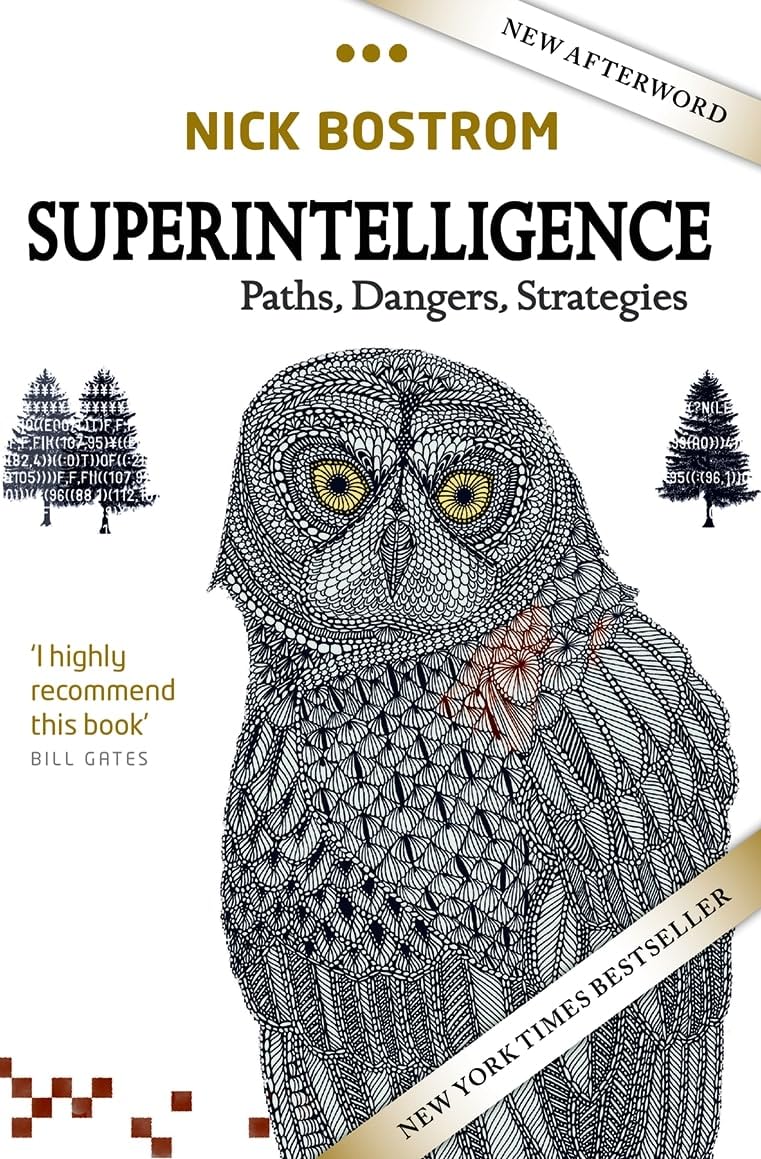
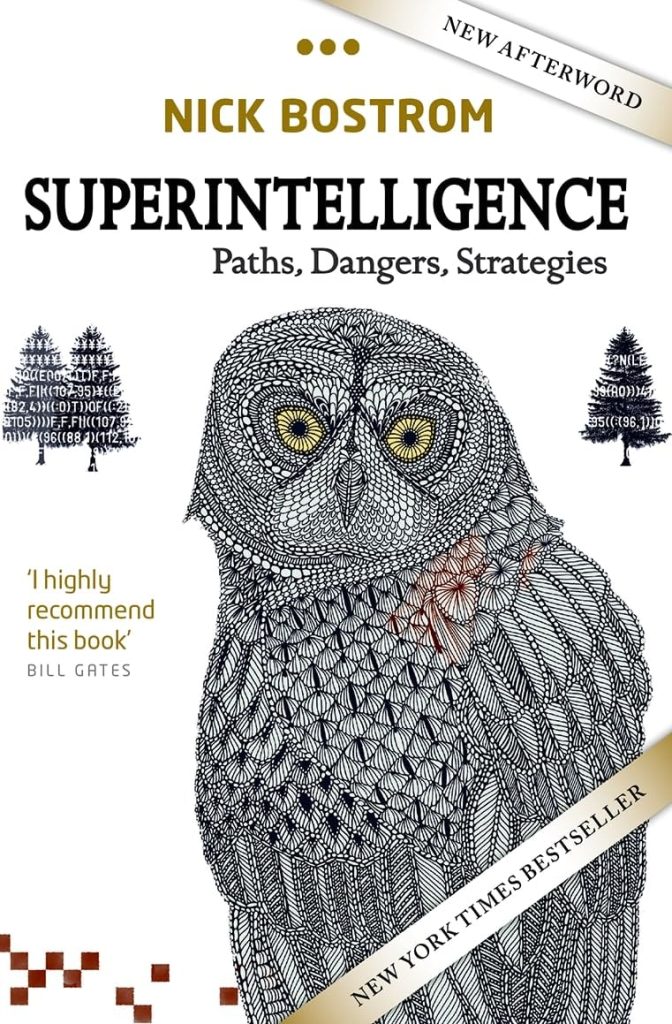
Superintelligence
The foundational AI safety argument — rigorous, philosophical, still the reference point
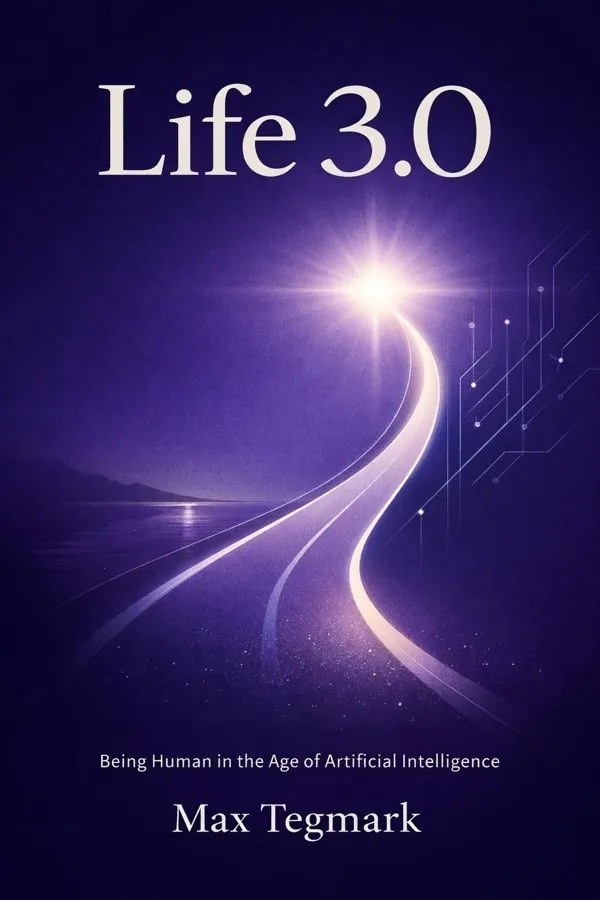
Life 3.0
Big-picture tour of AI’s future and what it means to be human — friendlier prose
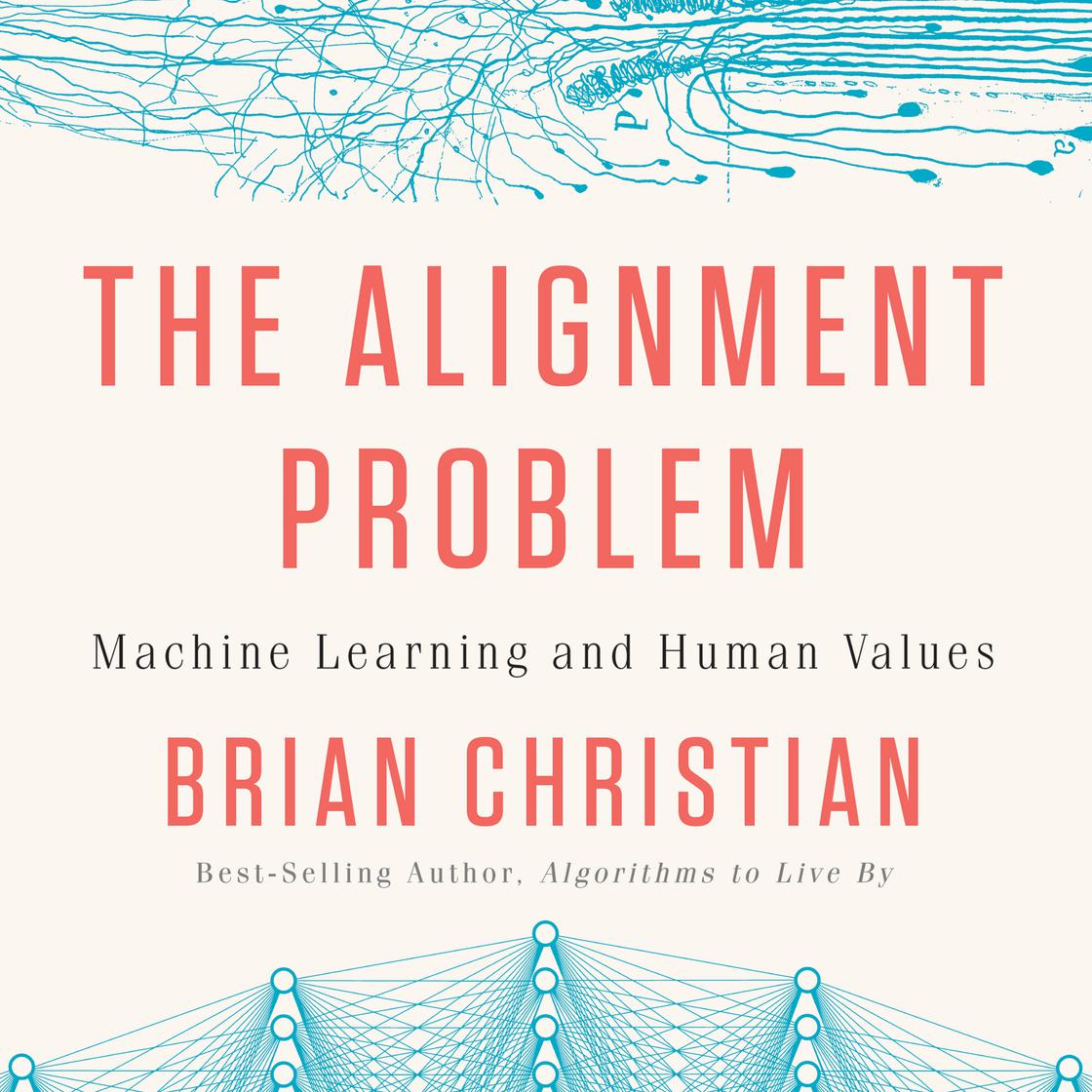
The Alignment Problem
Real cases of AI systems missing human values — alignment as a present-day problem
Prices and availability may vary — tap any product to check the current listing.
What to Look For in an AI Safety Book
AI safety books range from breezy popular science to academic philosophy, and picking the wrong register is the most common way to waste money here. Superintelligence sits firmly at the rigorous end — here’s how to tell if that’s what you want.
1. Academic Density — Know Your Tolerance
This is a book by an Oxford philosopher, published by Oxford University Press, and it reads like it: precise prose, carefully hedged arguments, deliberate pace. Some readers find that rigor bracing. Others find it slow. I’ve seen sharp readers stall in chapter two and blame themselves — don’t; it’s the book’s pace, not your brain. Be honest about your tolerance before committing.
2. Thought Experiments Over Anecdotes
Bostrom argues through scenarios — the famous paperclip maximizer, in which an AI tasked with making paperclips converts the world into paperclips, is the most widely known. These aren’t predictions; they’re intuition pumps designed to isolate a specific risk mechanism. If you enjoy philosophy’s way of thinking — strip a problem to its bones, then rebuild — you’ll be in your element. If you need stories to stay engaged, this method will test you.
3. Written Before the Current AI Wave
Superintelligence predates large language models and the recent capability jumps. The core argument doesn’t depend on any particular technology, which is why it survives — but the examples feel anchored in an earlier era. Treat it as foundational theory: the “why worry” book, not the “what’s happening this month” book.
4. Rigor Has a Price: It’s Not a Page-Turner
Let’s be blunt: nobody reads Superintelligence for pleasure the way they read a good popular-science book. It’s rewarding the way a difficult hike is rewarding — effort in, perspective out. The chapters on take-off scenarios and control strategies demand attention. Budget a chapter at a time, ideally with something to argue against it nearby.
5. The Argument’s Structure Matters More Than Any Single Claim
Don’t read this book to collect quotable predictions. Read it for the structure: how Bostrom categorizes paths to advanced AI, why he thinks intelligence and goals can come apart (the book calls this the orthogonality thesis), and what that implies for control. The framework is the durable part. That’s what “classic” means here.
6. You’ll Want a Second Voice
Almost nobody should read Superintelligence in isolation. It’s one strong position in a live debate, and it reads best alongside its counterweights — the more optimistic or practical accounts on this page. Any single perspective on something this uncertain deserves company. Plan your second book before you finish the first.
How to Match Superintelligence to Your Situation
Three reader profiles cover most buyers. One of them is probably you.
The Serious Reader of Big Ideas
You read philosophy, economics, or long-form science for fun, and you want the strongest version of the AI risk argument — not the social-media version. This is your book. You’ll argue with the scenarios and finish with a genuinely upgraded mental model. It may be the most demanding AI book you own. That’s the point.
The AI Practitioner Curious About Safety
You work with AI systems and keep hearing about “alignment” without quite knowing what the fuss is about. Fair warning: this book is about where the trajectory leads, not about debugging your current pipeline. Still, the foundational argument makes every current safety discussion clearer. Read it slowly; skim nothing.
The Gift Buyer — Proceed With Caution
Thinking of gifting this? Unless the recipient is already deep into AI or philosophy, reconsider. Superintelligence is a respected, important book that many recipients will never finish — the literary equivalent of gifting a gym membership. For the AI-curious general reader, Life 3.0 is the safer gift.
AI Safety Books Compared: Three Registers
Three books, three levels of commitment. Match the register to your appetite.
| Type / Tier | Best For | Price Tier | Key Feature | Watch-Out |
|---|---|---|---|---|
| Rigorous philosophy (Superintelligence) | Readers who want the foundational AI risk argument | Mid-range | Systematic analysis of advanced-AI scenarios | Dense academic prose; demands patience |
| Popular futures (Life 3.0) | Readers wanting big-picture AI futures in friendly prose | Mid-range | Accessible tour of possible AI futures and their meaning | Lighter on rigorous argument; broader than deep |
| Practical alignment (The Alignment Problem) | Readers interested in today’s machine learning | Mid-range | Real cases of AI systems misaligned with human values | Focused on current systems, not far-future scenarios |
Rigorous philosophy wins if you want the argument at full strength — everything else in AI safety writing is, in some sense, a footnote to Bostrom or an argument with him.
Popular futures win on accessibility: Tegmark covers enormous ground in prose a general reader can actually enjoy.
Practical alignment wins on immediacy: Christian shows alignment failing in systems that exist today, which makes the abstract worry concrete.
Reading Superintelligence in Real Life: Two Scenarios
Alongside the AI News Cycle
Keep the book on your nightstand and the AI headlines on your phone. Every few chapters, something in the news will rhyme with a Bostrom scenario — a capability jump, a deployment surprise — and the abstract argument will suddenly feel less abstract. The book becomes a lens rather than a lecture. Just remember: headlines illustrate the theory; they don’t prove it.
In a Reading Group
Superintelligence is better read with other people — the thought experiments are designed to be argued about. A reading group gives you what solitary reading can’t: someone to play skeptic when the scenarios start feeling inevitable. Assign a chapter a week; nobody finishes this book in a weekend anyway.
Common Mistakes Buyers Make
Mistake 1: Expecting a popular-science page-turner. The cover looks like a trade book; the contents read like a philosophy monograph. Buyers expecting narrative zip hit chapter two and stall. Adjust expectations before page one: this is slow, careful, rewarding work — more seminar than thriller.
Mistake 2: Treating thought experiments as predictions. The paperclip maximizer isn’t a forecast that AI will literally manufacture paperclips — it’s a device for isolating the alignment problem. Readers who argue with the surface details miss what it’s doing. Engage with the mechanism, not the wallpaper. Also see: The Big Nine by Amy Webb.
Mistake 3: Reading it as the whole debate. Bostrom is one careful voice, not a consensus. Reading only this book gives you depth without breadth — the comparison titles on this page exist partly as corrective lenses. Use them.
Mistake 4: Buying the wrong book for the wrong person. This is a demanding gift. The number of unread copies sitting on shelves as status symbols is probably nontrivial. Give Life 3.0 to the curious; give Superintelligence to the committed.
Why This Book, How to Read It, What Comes Next
Why is it still called a classic?
Because it did something no one had done at that level of rigor: it took the vague worry about advanced AI and turned it into a structured argument — paths, dangers, strategies, as the subtitle says. A decade of AI development hasn’t dissolved the argument; capability jumps have arguably made it more urgent. Classics aren’t books that were right about everything. They’re books the conversation keeps returning to.
How should you actually read it?
Slowly, with a pencil. A chapter at a time, arguing in the margins. Don’t binge it — the density punishes speed-reading, and the scenarios blur together if you rush. The goal isn’t to finish. It’s to think.
What should you read after Superintelligence?
For the friendlier big picture, Life 3.0. For alignment as a today’s-engineering problem, The Alignment Problem. For the optimistic counterweight — the “AI is mostly an opportunity” case — look to the strategy and practical shelves. Bostrom gives you the worry in its strongest form; the rest of the shelf tells you what to do with it.
Questions People Ask Before Buying
Is Superintelligence still worth reading in 2026, or is it outdated?
Yes — Superintelligence remains worth reading in 2026 because its core argument about advanced AI systems pursuing goals misaligned with human values doesn’t depend on any particular technology generation, so the rapid progress in AI capabilities since publication has arguably made the book more relevant rather than less. The scenarios are technology-neutral by design — that’s the point of the philosophy. What dates is the window dressing: the examples, the plausibility discussions. The mechanism it describes — capable systems optimizing the wrong objective — only looks more familiar with time.
Is Superintelligence too difficult for a non-philosopher to read?
It’s challenging but not impossible — Superintelligence was written by an Oxford philosopher for a serious general audience, so a motivated reader without philosophy training can follow the argument, though the deliberate pace, careful hedging, and abstract thought experiments demand more patience than a typical popular-science book. If you’ve finished a dense nonfiction book before — economics, history, serious science writing — you have the stamina. If your reading diet is mostly thrillers, start with Life 3.0 and graduate.
Should I read Superintelligence or Life 3.0 first?
Read Life 3.0 first if you want an engaging, big-picture tour of AI’s possible futures in accessible prose, and tackle Superintelligence afterward when you’re ready for the rigorous philosophical version of the risk argument; start with Superintelligence only if you already know you enjoy dense, careful reasoning and want the strongest statement of the case. Most readers do better with Tegmark first — the ideas land, the appetite builds, and Bostrom’s rigor feels like an upgrade rather than a wall.
Does Superintelligence cover modern AI systems like large language models?
No — Superintelligence was written before the current generation of large language models existed, so it discusses advanced AI in general, technology-neutral terms rather than analyzing today’s specific systems; readers wanting the alignment problem as it appears in modern machine learning should pair it with a newer book like The Alignment Problem. That’s not a flaw in the book — it’s the design. Bostrom aimed at the durable structure of the problem, not the current product cycle.
Which edition of Superintelligence should I buy?
Any edition contains the same core text, so choose for how you read: the hardcover suits collectors and anyone who annotates heavily, while paperback or digital editions work better for commuters and budget-conscious readers who care about the argument rather than the object. There’s no definitive edition with exclusive material — pick for your hands and your shelf, not for completeness anxiety.
Frequently Asked Questions
Who is Nick Bostrom?
A philosopher at the University of Oxford, known for his work on existential risk and the future of artificial intelligence. He founded the Future of Humanity Institute at Oxford. Superintelligence is his most widely read book.
What is Superintelligence about?
The book asks what happens when AI systems become far more capable than humans, and whether we can ensure such systems pursue goals compatible with human survival and flourishing. It systematically explores paths to advanced AI, the dangers of misaligned goals, and strategies for keeping control. Think of it as the rigorous version of the AI safety debate.
Is Superintelligence a difficult read?
Yes, frankly — it’s written with academic care: precise, hedged, and deliberately paced. Motivated general readers can follow it, but it’s slower going than popular science. Budget a chapter at a time rather than a weekend.
Does Superintelligence discuss today’s AI?
Only in general terms — it was written before the current wave of large language models, so its scenarios are technology-neutral by design. The argument is about advanced AI as a category, not about any specific system. For today’s systems, pair it with The Alignment Problem.
How does Superintelligence compare to other AI safety books?
It’s the most rigorous and the most cited — the book the rest of the field argues with. Life 3.0 covers similar territory more accessibly; The Alignment Problem grounds the worry in present-day machine learning. Most serious readers eventually read all three.
Where can I buy Superintelligence?
Superintelligence is available through major retailers and widely available online in hardcover, paperback, and digital editions — check current availability. Use the links on this page to see the current listing and choose the edition that fits how you read.
Final Recommendation
Buy Superintelligence if you want the AI safety argument at full strength — the careful, systematic, philosophical version that every other book in the field is responding to. It’s demanding, and you should know that going in. But there’s a reason it became the reference point: the reasoning holds up. Check the current listing and commit to reading it slowly.
If your eyes glaze at academic prose, start with Life 3.0 instead — you’ll get the big ideas in friendlier form, and you can graduate to Bostrom later. Either way, this is the shelf where the serious conversation lives. Start somewhere on it.
OUR TOP PICK
Superintelligence
The foundational AI safety argument — rigorous, philosophical, still the reference point
Decision Tree: Which AI Book Should You Get?
If you want the strongest version of the AI risk argument → get Superintelligence. It’s the reference point; everything else on this page responds to it.
If you want big-picture AI futures in readable prose → get Life 3.0. Broader, friendlier, still serious about the stakes.
If you want alignment as a today’s-engineering problem → get The Alignment Problem. Real cases, current systems, concrete failures.
Key Takeaways
Superintelligence is the foundational text of AI safety — an Oxford philosopher’s rigorous argument about advanced AI and human values.
Written before the current AI wave, its technology-neutral argument has arguably grown more relevant, not less.
Demanding academic prose: right for serious readers; casual readers should start with Life 3.0.
Read it slowly, with counterweights nearby — it’s one strong position in a live debate, not the whole debate.
Disclosure: As an affiliate partner, we may earn a commission from qualifying purchases made through links on this page — at no extra cost to you.