
Disclosure: This page contains affiliate links. If you buy through them, we may earn a commission at no extra cost to you.
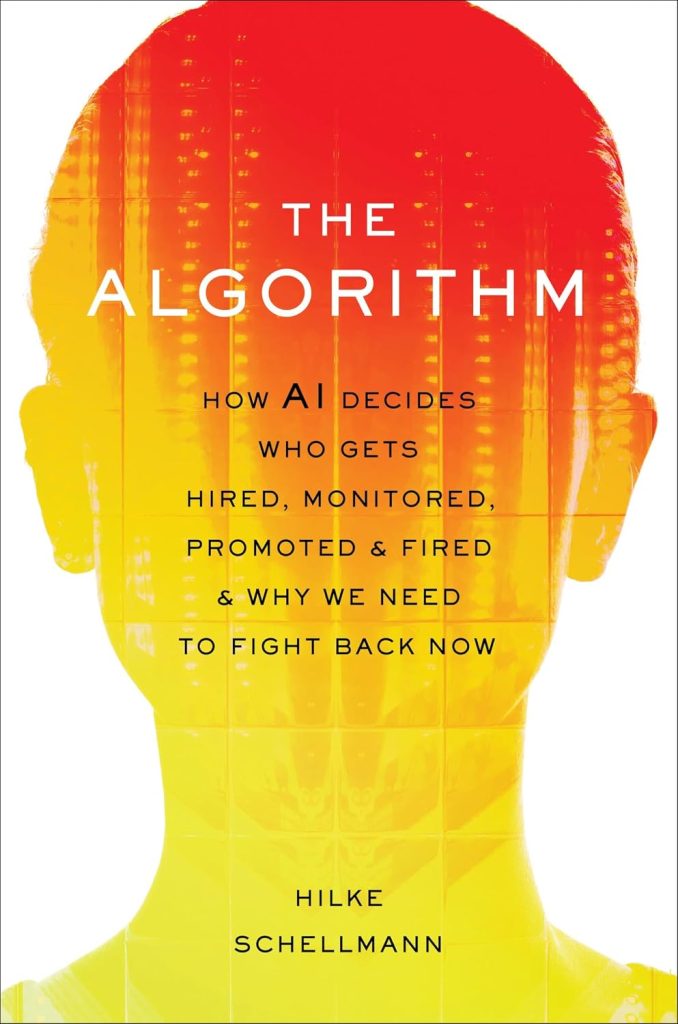
You probably didn’t meet the first screener. A piece of software read your résumé, timed your answers in a video interview, maybe scored the way your face moved — and a busy hiring manager never saw the file at all. The Algorithm: How AI Decides Who Gets Hired, Monitored, Promoted, and Fired and Why We Need to Fight Back Now, by Hilke Schellmann (Hachette / Grand Central Publishing, January 2024) is the reported account of that hidden first interview, and this The Algorithm book review tests whether it earns a place on your shelf.
The reception gives a buyer some signal. It was a Financial Times Best Book of the Year 2024 selection and was featured in the New York Times ‘Top 5 Books on AI’. Kirkus Reviews called it “a disturbing investigation into use of AI systems in hiring, firing, and employee surveillance”, and Publishers Weekly noted its survey of failures of AI used in corporate personnel decisions.
She is an Emmy Award-winning investigative reporter, a contributor to the Wall Street Journal and the Guardian, and a journalism professor at NYU. She led a Wall Street Journal team investigating how AI is changing our lives, and a PBS Frontline documentary she worked on, Outlawed in Pakistan, won an Emmy. For a different lens on scored systems, start with our Code Dependent book review, then come back here for the workplace itself.

Worth buying? If you suspect a machine already screened you out of a job you could do — yes. If you buy, approve, or manage tools that score other people’s work — yes, urgently. If you want code-level model detail or a course in building software yourself, the honest answer is no, and the sections below say why.
Quick Answer
Buy The Algorithm if you want to know how workplace software actually judges people: the hiring games, the voice and face analysis, the keystroke tracking, the firing caused by a system glitch. Skip it if you want engineering depth. This The Algorithm book review rates it a strong buy for job seekers, monitored employees, and the managers who purchase these tools.
Compare Top Books on AI at Work and Algorithmic Bias
Three proven picks side by side — choose the one that fits your needs.
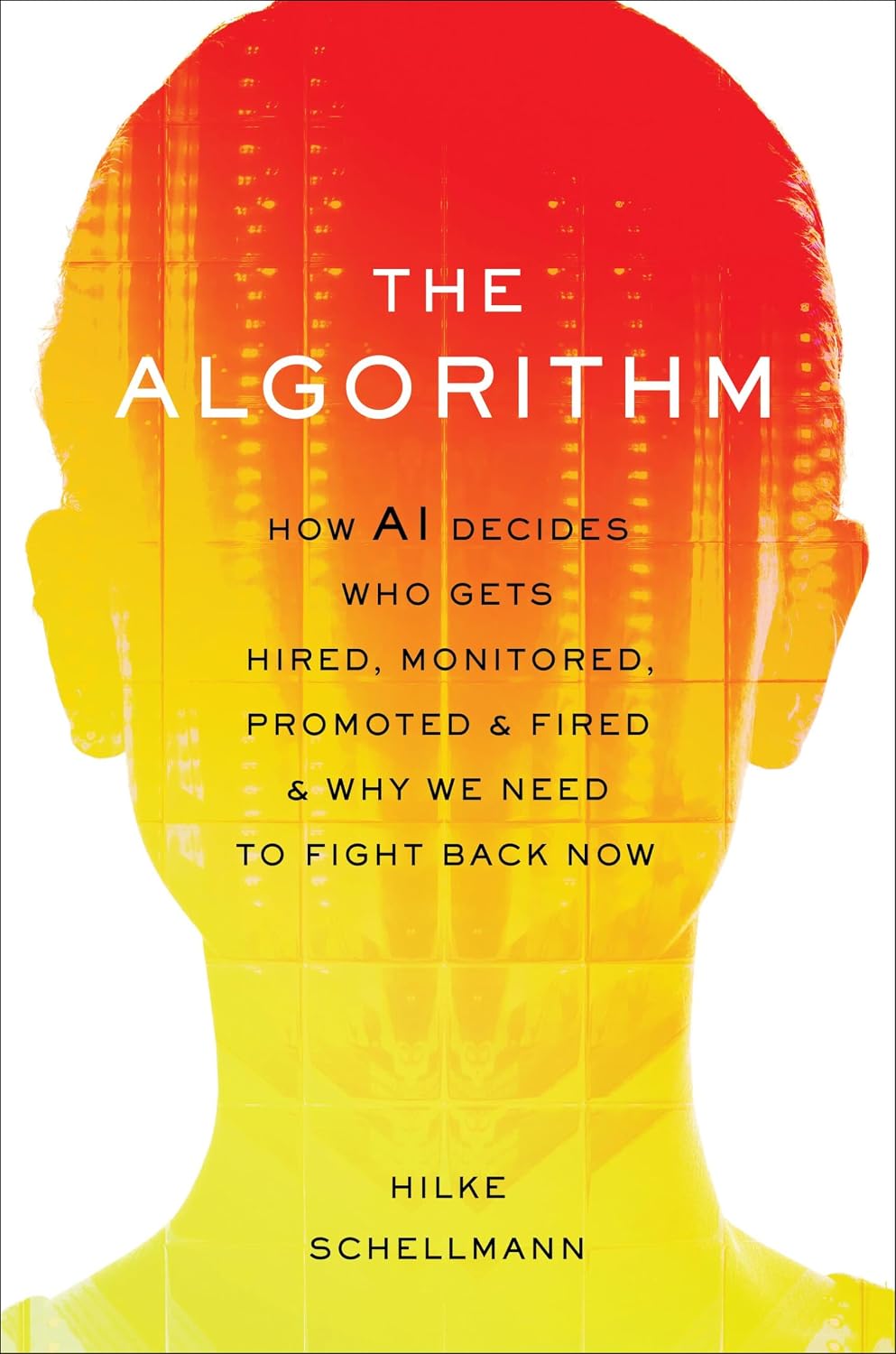
The Algorithm by Hilke Schellmann
The workplace investigation — how AI decides who gets hired, monitored, promoted, and fired
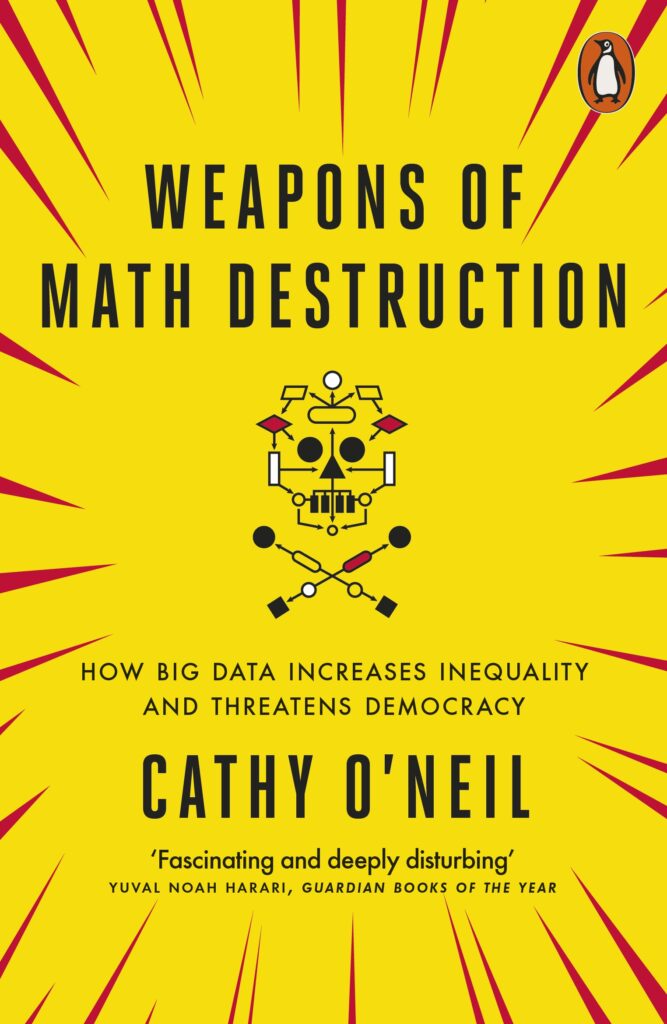
Weapons of Math Destruction by Cathy O’Neil
The broader classic on how opaque scoring models punish the poor and unlucky across jobs, loans, policing and more
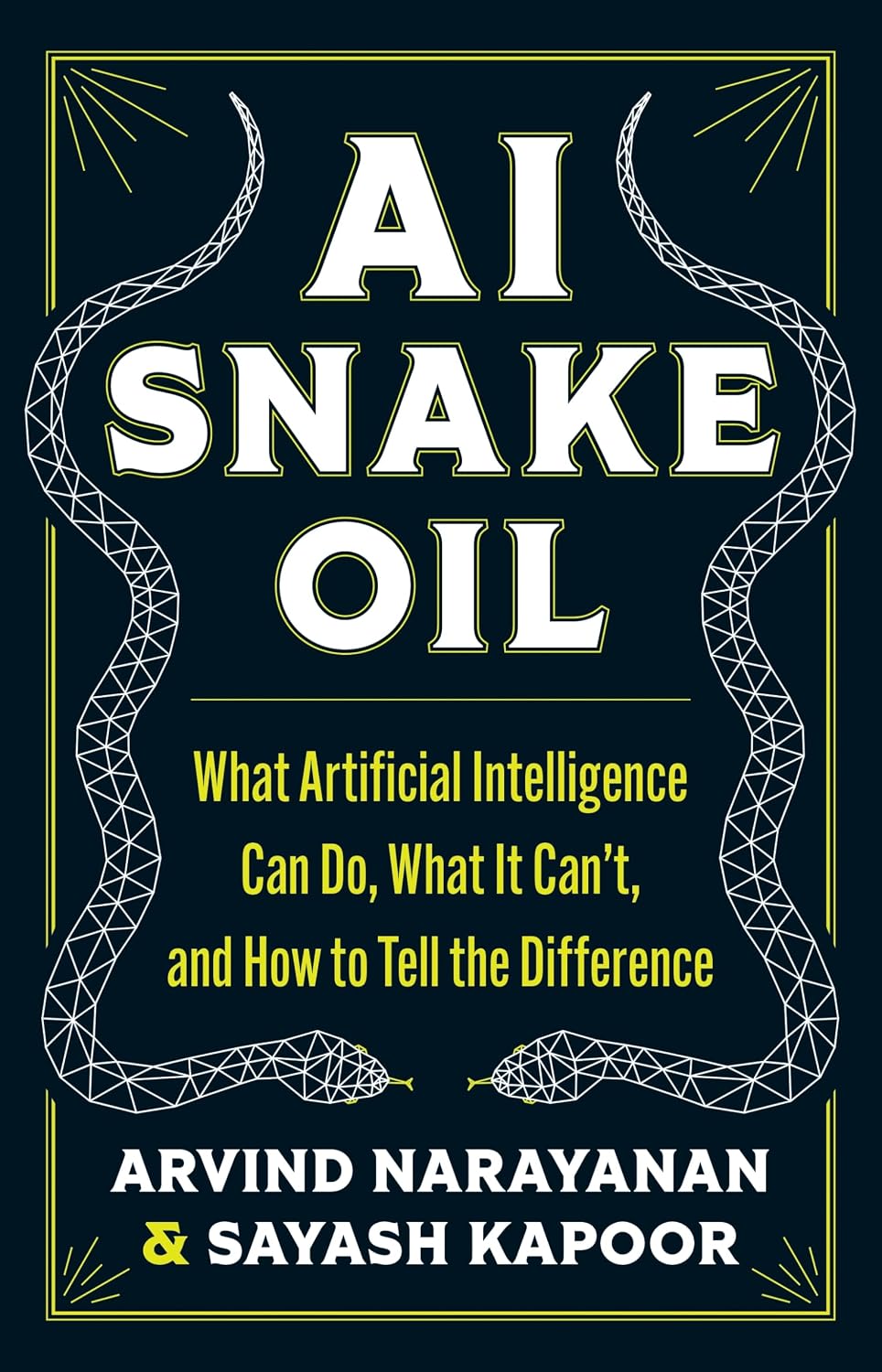
AI Snake Oil by Arvind Narayanan and Sayash Kapoor
The field guide for telling which AI claims actually work — best paired if you must evaluate a vendor’s pitch
Prices and availability may vary — tap any product to check the current listing.
The Algorithm: What to Look For in a Book About AI at Work
Books about workplace AI fail in predictable ways. Some repeat vendor claims until the sales pitch sounds like reporting. Six tests separate a book on algorithmic management worth finishing from one worth returning, and this The Algorithm book review runs Schellmann’s 336-page hardcover through each.
1. Evidence you can trace, not vibes
Schellmann tests hiring tools herself, talks to whistleblowers, and works from internal documents that show faulty systems from the inside. That sourcing matters: vendors here rarely publish validation studies a buyer could check. The documented failures — a hiring game measuring space-bar speed that disadvantages candidates with motor disabilities, a résumé tool that rewarded arbitrary signals like the name “Thomas” — aren’t edge cases. They’re what the tools did when somebody finally looked.
2. The whole workday, not just the job interview
A narrow book would stop at hiring. This one follows the scoring past the offer letter: keystroke tracking, tools that analyze meeting and group dynamics, systems that predict who may quit. Predictive analytics creeping into university admissions and financial aid gets covered too. The scope is the point: a candidate gets screened once, an employee gets scored every day.
3. The pseudoscience question, asked plainly
Some of these tools claim to read character off a face or a voice. Schellmann tests systems that analyze facial expressions and voice to infer anxiety and depression, plus algorithms that scan social profiles to build personality profiles. Her reporting keeps returning to an awkward gap: the claims sound scientific, the validation behind them often isn’t. If the current listing tempts you, check the current listing for format options before you commit.
4. What happens to the person the system gets wrong
Bad software usually means a crashed app. Here, a livelihood. Schellmann documents a contract delivery driver fired because of an automated management glitch — no human decision, no obvious appeal, just a system error with a pay cheque attached. She also sits for an automated interview herself and gets judged “competent” in English while answering entirely in German. Funny, in isolation. Less funny when that score decides a real applicant’s month.
5. The buyer problem, not just the vendor problem
Plenty of investigations stop at blaming the sellers. Schellmann pushes one layer further: human resources teams buy these systems and rarely understand or validate what they’ve purchased. Nobody at the buying company ran the checks that would have caught a game penalizing disabled candidates. That’s the most useful argument in the book for managers, because buyers — unlike distant vendors — can change a procurement decision next quarter.
6. A fix that isn’t just “ban it all”
The closing argument is reform, not abolition: transparency about when these systems are used, validation before deployment, human input in high-stakes decisions, legal protections for workers being scored. Readers who want a manifesto against all workplace software will find her too measured. Readers who live with these tools get something more practical: a checklist of what accountable use looks like.
Who Should Read It — and Who Should Skip It
Four reader types keep circling this title. Three should buy it without much deliberation. The fourth should spend the money elsewhere — and that isn’t a knock on the book.
The job seeker who suspects a machine said no first
You applied. You were qualified. Then came a form rejection, or silence, and no human explained either. This book won’t get you that job back. What it gives you is the map: which tools employers deploy at each stage, what they claim to measure, and where the documented failures sit. Knowing a game timed your space bar changes the rejection from a verdict on you into a question about the instrument. That shift alone is worth it for a lot of applicants.
The employee who is already being scored
Maybe nobody screened your résumé — you have the job. But your keystrokes get counted, your meetings get analyzed, and a dashboard somewhere estimates your chances of quitting soon. This is your book too. Schellmann names what the systems record and shows how thin the transparency and legal accountability around them still are. A worker who understands the scoring can ask sharper questions. A worker who doesn’t is just… being measured.
The HR or people leader who signs the purchase order
Honestly, this might be the reader who needs it most. If your team bought a hiring game, a voice-analysis interview tool, or a flight-risk predictor on a vendor’s assurance, her reporting is the validation homework nobody did: a tool rewarding the name Thomas, an interview product that couldn’t tell German from English. Read it before the renewal meeting, not after. Pair it with our AI Snake Oil book review and you’ll walk into the next vendor pitch with much better questions.
The technical reader who wants to build models — skip this one
You want loss functions, training data design, how a classifier is assembled. Schellmann isn’t writing for you, and she doesn’t fake it. Her subject is what deployed tools do to people, not how to engineer better ones. The evaluation handbook in the comparison cards fits that need far better.
How It Compares With Weapons of Math Destruction and AI Snake Oil
Three books now anchor the serious shelf on scored lives, and buyers keep treating them as substitutes. They aren’t. Each answers a different question: what happens inside the workplace, what happens when opaque models spread across society, and how you tell a working AI claim from a sales story. If you want the widest frame first, start with our Weapons of Math Destruction book review.
| Book | Central Question | Approach | Reading Level | Best For | Watch-Out |
|---|---|---|---|---|---|
| The Algorithm by Hilke Schellmann (Hachette / Grand Central Publishing) | How does AI decide who gets hired, monitored, promoted, and fired? | Investigative reporting: self-testing of tools, whistleblowers, internal documents, named cases | General reader; reported, case-driven | Job seekers, monitored employees, and the managers who buy these systems | Little technical model detail; not a building or engineering guide |
| Weapons of Math Destruction by Cathy O’Neil | What happens when opaque scoring models spread across society? | Argument built from cases across jobs, loans, policing, insurance, and more | General reader; thesis-led | Readers who want the pattern across sectors, not one workplace | Predates the current hiring-tool market; less procurement detail |
| AI Snake Oil by Arvind Narayanan and Sayash Kapoor | Which AI claims actually work, and which are salesmanship? | Field guide to evaluating AI claims, with tests a buyer or citizen can apply | General reader; analytical, drier | Anyone who must evaluate a vendor pitch or a bold AI promise | Less narrative; fewer individual stories to carry the argument |
Where The Algorithm beats the other two
Proximity. O’Neil maps the pattern from altitude; Narayanan and Kapoor hand you the evaluation toolkit. Schellmann stands inside the hiring funnel, runs the tools on herself, and prints what they did. The German-answers episode, the space-bar game, the driver fired by a glitch — those scenes do the argumentative work. After this book, a sentence like “the system flagged the candidate” stops sounding neutral. You start asking which system, validated how, by whom.
Where it is weaker
Range and remedy, in that order. O’Neil follows scoring into credit, policing, and insurance, so a reader who wants the societal picture gets more of it there. Her fixes — transparency, validation, human input, worker protections — are sensible, but the other comparison title gives a buyer a sharper method for stress-testing a specific claim in a sales meeting. Read Schellmann for what is happening. Read the field guide for the next pitch.
The Algorithm book review: Two Ways Readers Actually Use This Book
The job-search debrief you never got from the employer
The first use is personal, and a bit forensic. A rejected applicant reads the hiring chapters against their own experience — the game they played on a phone, the one-way video interview, the personality profile built from their online activity — and finally has names for each step. It doesn’t reverse the outcome. It retires the worst part of algorithmic rejection: not knowing whether the decision was about you at all.

The pre-purchase briefing before the vendor call
The second use sits inside companies. A people team inherits a screening tool, a monitoring dashboard, a predictor of who might quit — bought by a predecessor, justified by a slide deck. Her chapters give that team the failure catalogue: what these products did elsewhere, which claims rested on pseudoscientific ideas, and which questions the original buyers never asked. Not a procurement manual. Something more valuable: a reason to slow the meeting down.
Common Mistakes Buyers Make With AI-at-Work Books
Mistake one: buying it as a technical manual. It won’t teach model design, and readers who open it expecting engineering instruction will blame the book for a mismatch they chose.
Mistake two: buying it only if you’re job hunting. Hiring is the front door, not the whole house. Monitoring, promotion scoring, and automated firing fill much of the book, so employed readers who skip it miss chapters describing their own workday.
Mistake three: expecting a ban-everything manifesto. Schellmann argues for transparency, validation, human input, and worker protections — not for outlawing workplace software. Readers hunting for abolition will find her reformist.
Mistake four: assuming the tools must work because big employers bought them. That assumption is the book’s central target. Adoption isn’t validation: her reporting shows large organisations deploying systems their own buyers hadn’t seriously checked.
Questions People Ask Before Buying
Is The Algorithm worth buying?
Yes, The Algorithm is worth buying if an algorithm has screened your application, scored your interview, or watches your workday, because Schellmann shows with named cases and internal documents how often those systems fail, misjudge people, and escape any serious checking before they are used.
That verdict, from this The Algorithm book review, holds across the three audiences the book serves: applicants who want the map, employees who want the monitoring layer explained, and managers who need the failure catalogue before they renew anything. Technical readers are the exception, and the comparison cards point them to a better fit.
The Algorithm or Weapons of Math Destruction — which should I read first?
Read The Algorithm first if your worry is your own job search or your own workplace, and read Weapons of Math Destruction first if your worry is scoring systems across society, because Schellmann reports from inside hiring and management while O’Neil maps the wider pattern.
Sequence by urgency, honestly. Facing a hiring game or a monitored dashboard this month? Schellmann first. Trying to understand how the same logic reached loans, policing, and insurance? O’Neil first. Most readers who start with either end up reading both, because the workplace book keeps citing the pattern the broader book named.
Do I need a background in AI or HR to follow The Algorithm?
No, you do not need a background in AI or human resources to follow The Algorithm, because Schellmann writes as an investigative reporter for general readers, explains each tool through the person it judged, and keeps the technical detail tied to real hiring, monitoring, and firing decisions.
Her day jobs explain the accessibility: newspaper investigations and documentary work train a writer to carry a non-specialist through complicated machinery without dumbing it down. HR professionals will recognise their own procurement meetings in these pages. Everyone else will simply recognise the job market they already live in.
What does The Algorithm actually show about AI hiring tools?
The book shows hiring tools failing in ways buyers rarely hear about, including a résumé screener that rewarded the name Thomas, a space-bar game that penalizes motor disabilities, and an interview system that rated German answers as competent English, all sold as objective science to busy employers.
It also shows the quieter machinery behind the failures: tools scanning social profiles to build personality profiles, vendors leaning on pseudoscientific claims about faces and voices, and whistleblowers describing products their own makers knew were shaky. The pattern isn’t one bad tool. It’s a market that rarely gets audited.
Who should skip The Algorithm?
Skip The Algorithm if you want code-level detail on how models are built or a manual for designing fairer systems yourself, because Schellmann’s book is an investigation of tools already deployed at work, rich in cases and documents, not a textbook, workbook, or engineering guide.
That is a fit problem, not a quality verdict. Readers who want the societal survey or the claim-testing method will find both in the comparison cards on this page. Buying the wrong strong book still leaves a reader annoyed, and this review would rather prevent that than collect the sale.
Decision Tree: Should You Buy The Algorithm?
You suspect a system screened, scored, or rejected you → Buy it. The hiring chapters name the tools and document how they fail.
Your work is monitored, timed, or scored by software → Buy it. The monitoring chapters describe your situation directly.
You buy or approve workplace AI for your organisation → Buy it before the next renewal.
You want model engineering or a fairness-design workbook → Skip it. Start with the evaluation guide in the comparison cards instead.
Key Takeaways
✅ The core finding: many high-stakes workplace algorithms are biased and unproven, sold on pseudoscientific ideas, and deployed with almost no transparency or legal accountability.
✅ The evidence is concrete — a space-bar game penalizing motor disabilities, a screener rewarding the name Thomas, an interview tool passing German answers as competent English.
✅ Selected as a Financial Times Best Book of the Year 2024 and featured in the New York Times ‘Top 5 Books on AI’; hardcover, 336 pages, published January 2024.
⚠️ The remedy is reformist — transparency, validation, human input, worker protections — and the book offers little technical model detail.
📚 Pairs with Weapons of Math Destruction and AI Snake Oil: the workplace here, the societal pattern there, the claim-testing method in the third.

Frequently Asked Questions
When was The Algorithm published, and who published it?
Hachette / Grand Central Publishing published The Algorithm as a hardcover on January 2, 2024. The book runs 336 pages, and its ISBN-13 is 9780306827341.
Who is Hilke Schellmann?
Hilke Schellmann is an Emmy Award-winning investigative reporter, a contributor to the Wall Street Journal and the Guardian, and a journalism professor at NYU. She led a Wall Street Journal team investigating how AI is changing our lives, and the PBS Frontline documentary Outlawed in Pakistan, which she worked on, won an Emmy.
What recognition has The Algorithm received?
The Algorithm was selected as a Financial Times Best Book of the Year 2024 and was featured in the New York Times ‘Top 5 Books on AI’. Kirkus Reviews called it “a disturbing investigation into use of AI systems in hiring, firing, and employee surveillance”, and Publishers Weekly noted its survey of failures of AI used in corporate personnel decisions.
Does The Algorithm argue for banning workplace AI?
No. Schellmann argues that high-stakes workplace algorithms should be transparent, validated before use, kept subject to human input, and covered by legal protections for workers. Her case is for accountability and reform of tools already deployed, not for banning workplace software altogether.
Which edition does this review cover?
The edition this The Algorithm book review covers is the Hachette / Grand Central Publishing hardcover linked from this page, published on January 2, 2024, at 336 pages. The reporting carries across formats, so choose the format you will actually read; check the listing for options currently offered through major retailers.
Final Recommendation
The call, plainly, from this The Algorithm book review: buy the book if a machine has touched your job application, your interview, your keystrokes, or your dismissal — or if you’re the person who purchases the machines that do the touching. Schellmann has written the workplace investigation this market needed, built on self-testing, whistleblowers, and documents vendors never volunteered. The hardcover of The Algorithm is available through major retailers.
Pass if your needs sit elsewhere. Engineers will find the model detail thin, builders will find no workbook here, and readers who want scoring systems surveyed across society have a broader book in the comparison above. For the applicant, the monitored employee, and the manager with a renewal coming up — this is the AI-at-work book to read in 2026.
Compare Top Books on AI at Work and Algorithmic Bias
Three proven picks side by side — choose the one that fits your needs.
The Algorithm by Hilke Schellmann
The workplace investigation — how AI decides who gets hired, monitored, promoted, and fired
Weapons of Math Destruction by Cathy O’Neil
The broader classic on how opaque scoring models punish the poor and unlucky across jobs, loans, policing and more
AI Snake Oil by Arvind Narayanan and Sayash Kapoor
The field guide for telling which AI claims actually work — best paired if you must evaluate a vendor’s pitch
Prices and availability may vary — tap any product to check the current listing.
Disclosure: This page contains affiliate links. If you buy through them, we may earn a commission at no extra cost to you.