
Disclosure: This page contains affiliate links. If you buy through them, we may earn a commission at no extra cost to you.
Most AI books in this catalogue arrived through a newsroom — a reporter won access, or reconstructed events from interviews. This The Worlds I See book review starts from a different fact: Fei-Fei Li didn’t interview the scientist who built ImageNet. She is that scientist. The dataset that taught machines to recognize the visual world — more than 14 million labeled images — came out of her lab, and here she tells its story herself, first person, her family’s history braided through the science.
Li immigrated from China to New Jersey with her parents as a teenager in the early 1990s, into a family that struggled financially and later ran a dry-cleaning business. Princeton followed — physics — then a PhD at Caltech. She has called the book’s structure a “double helix”: her coming-of-age wound around AI’s. The teenager translating adult paperwork for her parents and the researcher arguing that data was the field’s missing ingredient are the same outsider, twice.
The gamble at the book’s center looks obvious only in hindsight. Li bet vision was starving for examples, not ideas — show a machine enough labeled photographs and it would learn the way a child does, by looking. Colleagues doubted the scale. Then, in 2012, a neural network won ImageNet’s annual challenge decisively, and the deep-learning era began in public. Wired later described Li as one of a tiny group of scientists responsible for AI’s recent remarkable advances. Her account of the pre-win years — grant rejections, labeling logistics — is the closest most readers get to watching a field change its mind.

So, worth buying in 2026? For readers tired of founder mythology — yes. Publishers Weekly praised the memoir for bringing “new dimension and humanity to discussions of AI”, and that judgement holds up — the human origin story of the vision era, told by its central figure. But it won’t teach you to prompt a chatbot, and it isn’t an industry exposé. Both limits matter.
Quick Answer
Buy The Worlds I See if you want the first-person story of how modern AI learned to see — the ImageNet years, told by the scientist who built the dataset and lived the immigrant story braided through it. Skip it if you want hands-on language-model skills or a hard policy critique; Li is a believer, not a prosecutor. This The Worlds I See book review rates it a strong buy for newcomers and general readers, an easy pass for tool-first buyers.
Compare Top AI Memoirs and Insider Accounts
Three proven picks side by side — choose the one that fits your needs.
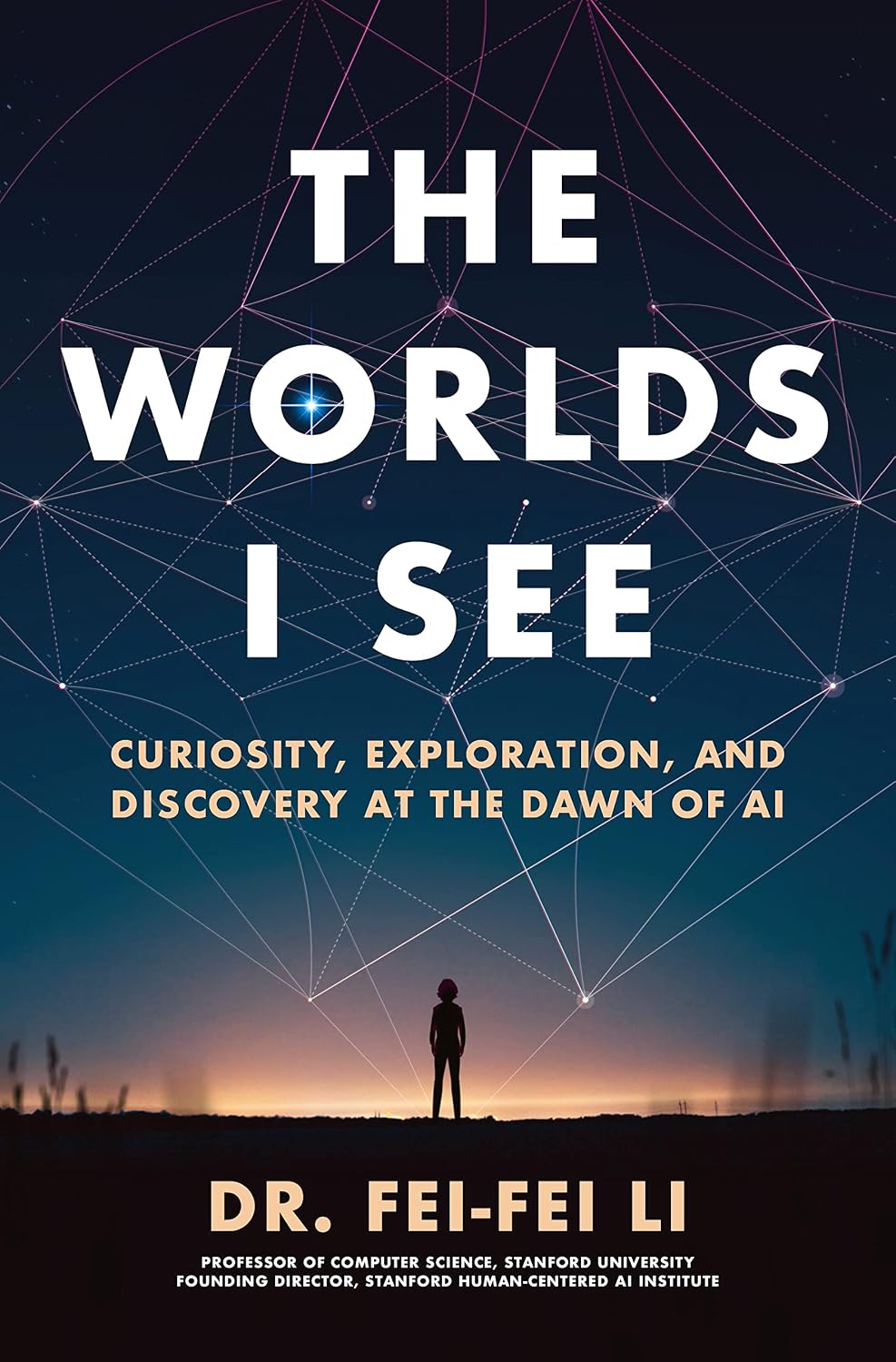
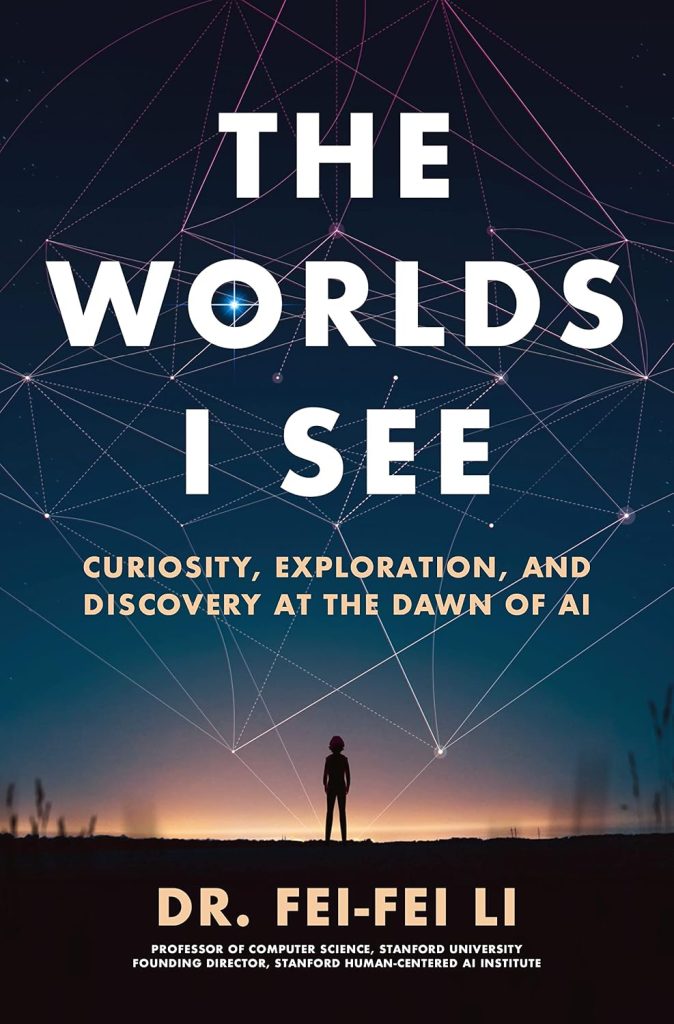
The Worlds I See by Fei-Fei Li
First-person memoir by ImageNet’s creator — the scientist tells her own story
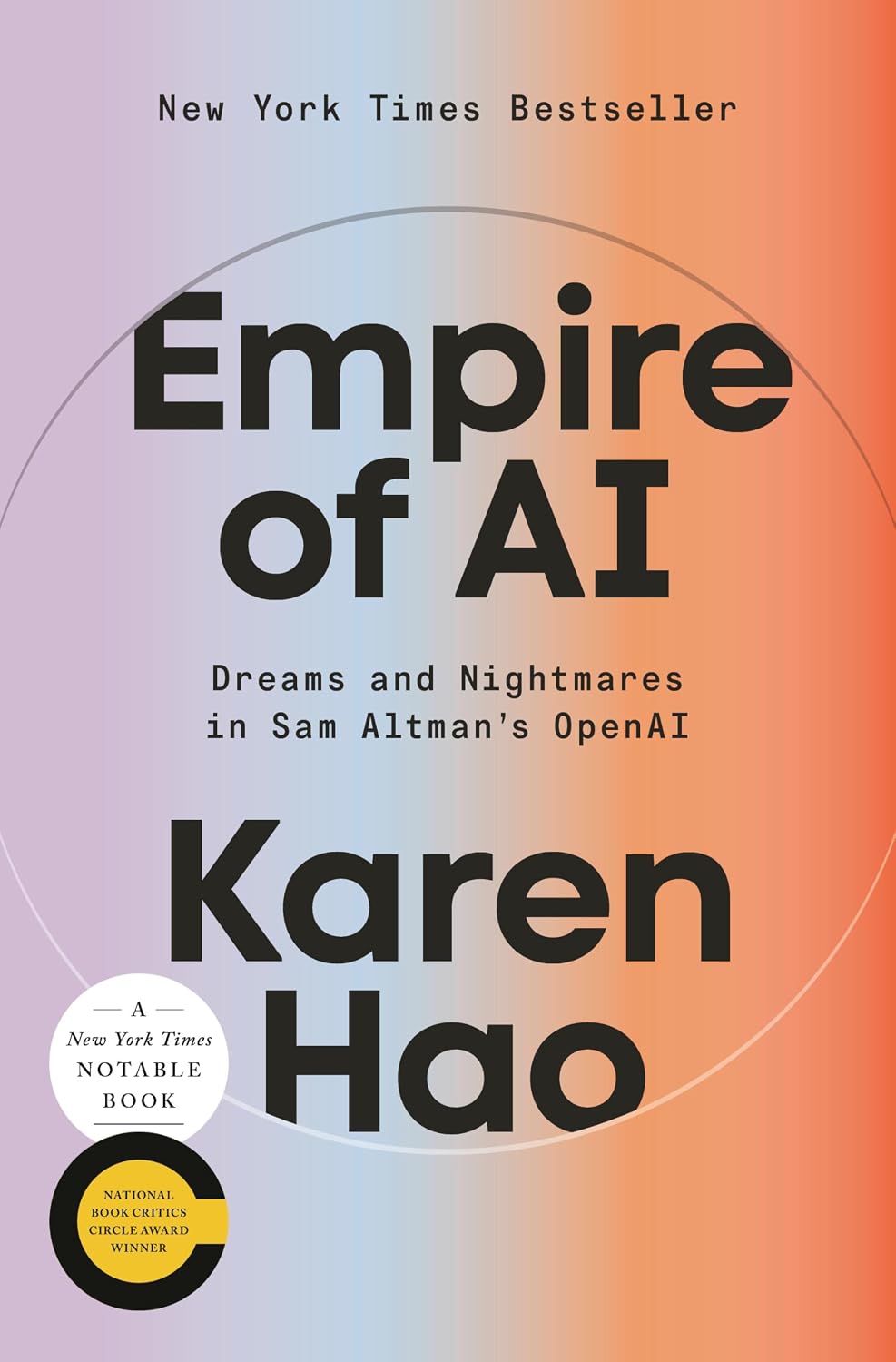
Empire of AI by Karen Hao
The reported counterpart: an outsider investigation inside one AI company
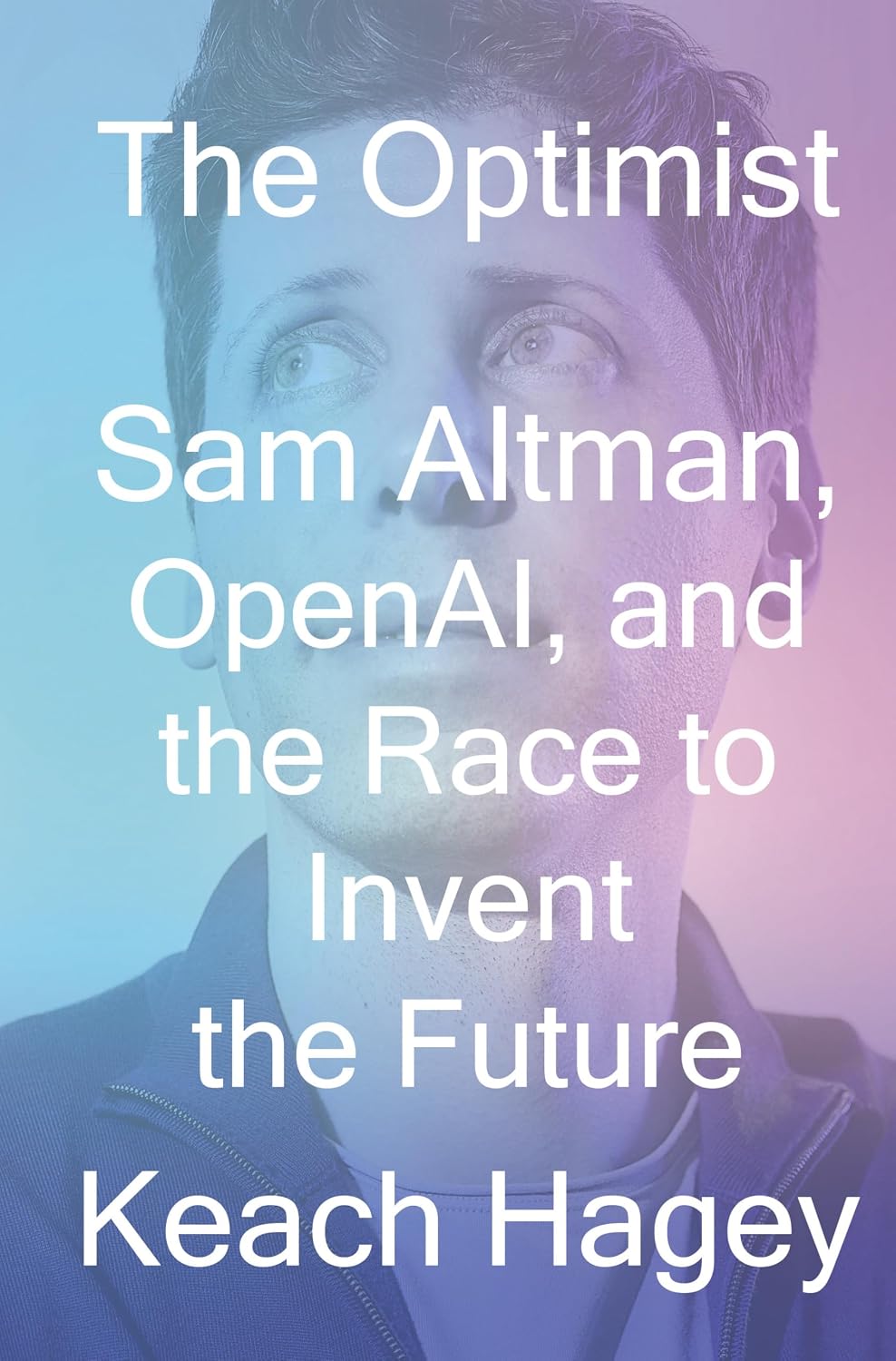
The Optimist by Keach Hagey
A journalist’s biography of one AI leader, versus Li telling her own story
Prices and availability may vary — tap any product to check the current listing.
The Worlds I See Book Review: What to Look For in a Memoir About How Machines Learned to See
Memoirs by working scientists fail in predictable ways. Score-settling. Lecture notes wearing a life story as a costume. Six tests separate the ones worth buying from the shelf-fillers, and this The Worlds I See book review runs Li’s book through each of them. It passes most. Not all.
1. A life that actually intersects the science
Plenty of scientist memoirs keep life and work in separate compartments, never touching. Li’s refuses that split. The dry-cleaning business, the years translating adult paperwork as a teenager — none of it is decoration. It’s how she learned to see systems from inside, as the person they happen to. The trade-off is pace: readers hunting for ImageNet will wait through a New Jersey adolescence first.
2. A dataset with a plot
Datasets aren’t supposed to carry narratives. This one does: Li grasped early that the bottleneck wasn’t cleverness, it was examples — millions of them, labeled carefully enough for a machine to learn from. Building ImageNet meant unglamorous problems: sourcing images, checking labels. The limit is focus — vision crowds out the language-model era almost entirely.
3. Honesty about the doubtful middle
Success stories skip the years when nothing worked. Li lingers there — grant rejections, colleagues who called a giant labeled dataset a distraction, the chance she’d bet her career on a filing cabinet. That candour is the book’s credibility engine. Still, memoir honesty has a ceiling: the author grades her own homework, and nobody argues back at length.
4. Ethics argued from inside the room
During a sabbatical from Stanford, Li served as a chief scientist of AI at Google Cloud — and walked into a defining fight when a Defense Department contract drew protest from researchers who didn’t want their work near military programs. She writes about wrestling with it, not pretending it was simple. Her answer became her signature philosophy: human-centered AI. Readers wanting a prosecution won’t find one; advocacy is the offer.
5. Ideas a non-specialist can actually hold
Li explains vision as she apparently taught it: start with a child recognizing a cat, then ask what a machine would need. No equations block the path. A reader with zero technical background follows the argument — and finishes understanding why one competition could redirect a field in a year. Specialists pay for that accessibility: stretches will feel like a well-told story they know by heart.
6. A structure that justifies the braiding
Li calls the design a “double helix” — her life and the field’s, twisting around each other. Gimmick? It could have been. Instead it works: the teenager learning a new country’s codes becomes the researcher teaching machines a visual code, and neither strand makes sense alone. Where it strains, a personal chapter lands where a technical reader wanted momentum. If the premise sounds like your kind of book, check the current listing for format options before you commit.
Who Should Read It — and Who Should Skip It
Three reader types keep circling this book. Two should buy it without much deliberation. The third should walk past — a review that won’t say so isn’t doing its job.
The newcomer choosing a first AI book
Start here if the choice is between a person and a system diagram. Li assumes intelligence, not background, and the early chapters build the field’s basic questions — what does it mean for a machine to see? why did data beat cleverness? — inside a story. Readers who’d rather start with the corporate version can open our Empire of AI book review instead — the two disagree on almost nothing except where the camera points.
The student, or the teacher building a syllabus
Courses on technology and society keep reaching for this memoir. It gives students a primary source for debates about data, credit and who counts as an AI pioneer. Her access work — Stanford’s Human-Centered AI Institute, co-founding AI4ALL — gives the ethics chapters a practical edge pure commentary lacks. The honest limit: it’s one voice, and a syllabus still needs reported accounts beside it.
The tool-first buyer — skip this one
You want prompts that work, workflows, a feel for what today’s chatbots can do on Monday morning. This book will not help you. Almost nothing in its 336 pages touches the tools on your phone. Readers hungry for a founder-centered version are better served by a biography — see our review of The Optimist by Keach Hagey — and practitioners should buy a practical guide instead.
How The Worlds I See Compares With Empire of AI and The Optimist
Our Code Dependent book review covered the human labour underneath AI systems — the labellers and moderators. Li’s memoir sits upstream: before labelling became an industry, someone had to argue labeled images were worth a career. Set her beside Hao’s investigation and Hagey’s biography of Sam Altman and a triangle forms — builder, investigator, biographer. Most AI arguments talk past each other because each side picked one corner and mistook it for the map.
| Book | Who Tells the Story | Slice of AI History | Technical Depth | Best For | Watch-Out |
|---|---|---|---|---|---|
| The Worlds I See by Fei-Fei Li (2023) | The scientist herself, in the first person | The vision era: ImageNet, the 2012 breakthrough, human-centered AI | Low to moderate; concepts carried by story | Newcomers who want the human origin story | A memoir, not a manual; language models stay at the edges |
| Empire of AI by Karen Hao | A reporter investigating from outside | The company era: one firm’s race to build ever-larger models | Moderate; business and compute focus | Readers who want power, money and internal conflict examined | Li’s science appears as background, not the main thread |
| The Optimist by Keach Hagey | A journalist writing biography | The founder era: one leader’s life and ambitions | Low; character and deals over concepts | Readers who prefer biography and boardroom narrative | One person’s story stands in for a whole field |
Li’s row is the only one written from inside the lab — irreplaceable for the pre-2012 years, and the least distant from its subject, since author and subject are the same person.
Hao’s row is the investigation: reported, sourced, adversarial where the record demands it. What it can’t give you is the feeling of betting a career on a dismissed idea.
Where The Worlds I See beats the other two
Authority, first of all. When Li explains why the field’s data famine mattered, she’s giving her own diagnosis, made years before consensus — no interviewer extracted it; she lived the reasoning. The early chapters preserve a history founder mythology overwrites: progress through a benchmark and a dataset, not a product launch. And the personal strand shows what the field cost — and gave — one specific family.
Where it is weaker
Distance, mostly. Hao can follow money and internal conflict wherever they lead; Li can only testify. Her optimism is argued, sincere and — depending on your politics — the book’s warmth or its blind spot. Language models, what most readers now mean by “AI”, stay at the story’s edges. Buyers expecting a chatbot-era reckoning will feel the gap, and this The Worlds I See book review counts it as the strongest reason to pair the memoir with a reported title.
The Worlds I See Book Review: Two Ways Readers Actually Finish This Book
The slow evening read
The braided structure suits sittings. A life chapter, a lab chapter — you can stop almost anywhere and resume tomorrow without losing the argument. Honestly, the personal chapters are the ones that follow you to work the next day.

The assigned read that doesn’t feel assigned
Students open memoirs with suspicion, fairly. Li disarms it by writing like a person before a professor — Princeton arrives through financial aid offices and family logistics, not genius mythology. Discussion questions write themselves: who gets credit for a breakthrough, the algorithm’s inventors or the dataset’s builders? A seminar can run weeks on that one.
Common Mistakes Buyers Make With AI Memoirs
Mistake one: buying it as a language-model manual. The title’s promise is vision — how machines learned to see. Readers expecting chatbot technique leave annoyed — a purchasing error, not a writing failure.
Mistake two: expecting an exposé. Li believes in this field. She criticizes its habits — data hunger, credit hoarding, ethics as afterthought — as someone trying to reform it, and readers who wanted a demolition will wait for a chapter that never comes.
Mistake three: skimming the family chapters as decoration. They’re load-bearing: the dry-cleaning shop explains the lab chapters’ work ethic, and the immigration story explains why “who gets to participate” became her public cause. Skip them and the human-centered argument floats free of its evidence.
Mistake four: treating one participant’s memory as the whole record. Memoir is testimony, not transcript. Li’s account is the closest version from the person who led the work — and it still deserves a reported account beside it.
Questions People Ask Before Buying
Is The Worlds I See worth buying?
Yes, The Worlds I See is worth buying if you want a first-person account of how modern AI learned to see, written by the scientist who built ImageNet, because Fei-Fei Li connects her own immigration story to the field’s turning points without turning the book into a lecture.
That recommendation, from this The Worlds I See book review, has a boundary: readers after prompt techniques will find almost none. The value is the person — the teenager who arrived in New Jersey in the early 1990s, then the researcher who bet her career on a dismissed dataset.
The Worlds I See or Empire of AI — which should I read first?
Read The Worlds I See first if you want the field explained by someone who built part of it, and read Empire of AI first if you want an outsider reporter investigating one company, because Li gives you the science and the life behind it while Karen Hao gives you the deals and the power.
Plenty of shelves hold both. Li explains why the technology exists; Hao explains what one firm did with it once the money arrived. Match the book to your question, not the loudest headline.
Does The Worlds I See teach you how to use AI tools?
No, The Worlds I See does not teach prompting, coding or tool workflows, because it is a memoir about a life and a research field growing up side by side, so readers who need hands-on instruction should pair it with a practical guide or choose a different book entirely for that job.
What it teaches instead is judgement: why labels mattered, why scale mattered, why a benchmark could redirect a field. That changes how you read product claims later — even though no chapter hands you a workflow.
I’m new to AI. Is this a good first book about it?
Yes, this is a strong first book about AI for a newcomer who learns better through people than through diagrams, because Li explains computer vision through the problems she hit in her own labs, and the personal chapters carry readers who have never opened a textbook on the subject.
One caveat: the book centers vision, not chatbots. Newcomers whose questions are all about large language models should know the technology here predates that wave — which is arguably why it clarifies so much.
Who should skip The Worlds I See?
Skip The Worlds I See if you want a technical manual, a prompting playbook or a prosecutorial critique of the industry, because Li writes as a participant who still believes in the field’s promise, and readers hunting for an exposé will find her optimism, however hard-earned it feels on the page, genuinely frustrating at times.
Researchers deep in the literature may move quickly through the science chapters; the outline will be familiar even when the personal cost isn’t. For everyone else the deciding factor is taste — memoir pacing, not textbook pacing.
Decision Tree: Should You Buy The Worlds I See?
You want the human, first-person story of how AI learned to see → Buy it. The ImageNet chapters answer with a life attached, not abstractions.
You’re choosing a first AI book and learn through people → Buy it. Li assumes intelligence, not background, and carries newcomers through story.
You’re tired of founder mythology → Buy it. Progress here arrives through a dataset and a benchmark, not a product launch.
You want prompting techniques or a policy prosecution → Skip it. This memoir teaches neither. Get a practical guide, or a reported critique, instead.
Key Takeaways
✅ The central claim: modern AI learned to see because one researcher bet on data over cleverer algorithms.
✅ The strongest material pairs the double helix strands: an immigrant teenager’s education alongside a field’s, each explaining the other.
✅ Wired counts Li among a tiny group of scientists responsible for AI’s recent advances, and Publishers Weekly praised the memoir for bringing “new dimension and humanity to discussions of AI”.
⚠️ Not a technical manual, not a prompting guide, and not a policy critique. Buy it for the person and the vision era, not the chatbot era.
📚 Pairs with (doesn’t replace) Empire of AI: the builder’s own account here, the outsider investigation there.

Frequently Asked Questions
When was The Worlds I See published, and who published it?
Flatiron Books published The Worlds I See on November 7, 2023, in hardcover, at 336 pages. It’s Fei-Fei Li’s first book, written after she’d already watched the field she helped start outgrow her own lab.
Who is Fei-Fei Li?
Fei-Fei Li is a Stanford computer science professor, founding director of Stanford’s Human-Centered AI Institute and a co-founder of AI4ALL, which works to widen who gets to build AI. She studied physics at Princeton and earned her PhD at Caltech.
What is ImageNet, and why does it take up so much of the book?
ImageNet is the dataset of labeled images — more than 14 million — that Li’s team built so machines could learn to recognize the visual world. Its annual challenge became the field’s scoreboard, and a neural network’s decisive win in 2012 helped trigger the deep-learning breakthrough.
Does the book cover Li’s time working in industry?
Yes. On sabbatical from Stanford, Li served as a chief scientist of AI at Google Cloud, and she doesn’t duck what followed: a Defense Department contract pulled her area into a public ethics fight, and she writes about where a researcher’s responsibility ends.
How is The Worlds I See different from Empire of AI and The Optimist?
Empire of AI is a reporter’s investigation of one company and its leader, Sam Altman. The Optimist is a journalist’s biography of that leader. The Worlds I See flips the camera — the scientist tells her own story, and company drama shrinks to background.
Which edition does this review cover?
The edition this The Worlds I See book review covers is the Flatiron Books hardcover of November 2023 (336 pages), the one linked from this page. A memoir isn’t revised like a textbook, so the argument doesn’t depend on a newer printing — check the listing for other formats.
Final Recommendation
The call, plainly, from this The Worlds I See book review: buy The Worlds I See if you want the human, first-person story of how modern AI learned to see. It’s the only book in this catalogue written by the scientist who built one of the field’s founding datasets, and that authorship changes what you walk away with — less “what happened” in the abstract, more what it felt like to make it happen. Students choosing a first AI book with a person at its center could hardly start better.
Pass if your shelf needs practice instead of perspective — prompting technique, tool workflows, a prosecutor’s critique. Li offers none of those, deliberately. For the first group, the hardcover of The Worlds I See is available through major retailers — check the current listing, and consider shelving Hao’s investigation beside it.
Compare Top AI Memoirs and Insider Accounts
Three proven picks side by side — choose the one that fits your needs.
The Worlds I See by Fei-Fei Li
First-person memoir by ImageNet’s creator — the scientist tells her own story
Empire of AI by Karen Hao
The reported counterpart: an outsider investigation inside one AI company
The Optimist by Keach Hagey
A journalist’s biography of one AI leader, versus Li telling her own story
Prices and availability may vary — tap any product to check the current listing.
Disclosure: This page contains affiliate links. If you buy through them, we may earn a commission at no extra cost to you.