

Winston AI markets itself to exactly your desk. Not to professors. To publishers, editors, site owners — people who pay freelancers and lose money when a polished draft turns out to be raw chatbot output. The pitch is a sentence-level prediction map, tidy PDF reports you can forward to a writer, and an accuracy number with two decimal places: 99.98% on the sales pages, 99.87% in the Winston 5.0 announcement from September 2026.
Two decimal places. That is the tell.
Nobody who has actually graded messy, edited, half-human web copy reports accuracy to two decimal places, because real submissions refuse to sit still inside one number. I have watched this product category recycle the same near-perfect claim for three hype cycles now, changing only the logo. So ignore the decimals. Read the tests — including the one Winston ran on itself, which is more honest than most, and still gives the game away in its own footnotes.
What does Winston AI’s 99.87% actually cover?
Winston’s 99.87% comes from an in-house test of 12,000 English documents, and the company itself excluded short texts, skipped non-English writing, and fed the detector unedited machine output — no paraphrasing, no human cleanup pass. The September 2026 write-up says 6,000 human documents across 10 categories were paired with AI text from 20 models, and Winston misread just seven human files. It also reports zero false positives across 25,996 student essays from the PERSUADE 2.0 corpus. Credit where due: that is more methodology than most vendors publish.
Then come the admissions, printed by Winston itself. Documents under 500 characters were excluded. Results, quote, “varied more on human web and SEO texts.” Sit with that one. If you run a content site, human web and SEO text is not an edge case in your inbox. It is the inbox. The vendor’s own test file performs worst on precisely the genre you would be paying it to judge.
The independent numbers live in a different universe. RAID, the peer-reviewed benchmark presented at ACL 2024 by Dugan and colleagues, ran 12 detectors against roughly 6.2 million generations spanning 11 models and 11 adversarial attacks, with every tool calibrated to the same 5% false positive rate so the scores could be compared honestly. Winston scored 71.0% overall. Originality.ai managed 85.0% in the same test, GPTZero 66.5%, ZeroGPT 65.5%. A 500-text comparison of paid detectors published in April 2026 put Winston at 87.1% with an 8.5% false positive rate — though that test was run by a rival free tool that crowned itself first, so discount it accordingly. Hands-on testing elsewhere landed near 70% once lightly edited machine text entered the pile.
The pattern hiding inside Winston’s own scores
On raw output from recent chat models, Winston genuinely is sharp — 99.6% on ChatGPT text and 98.8% on GPT-4 text in RAID — and on paraphrased machine text it fell to 52.6%, a coin toss with better branding. Off its home distribution the floor drops out entirely: 47.6% on older GPT-2 text, 24.8% on one base open model. The detector was tuned for a specific animal — fresh, untouched chatbot prose — and it hunts that animal well.
Freelancers, honest and otherwise, rarely submit that animal. The dishonest ones run their output through a paraphraser, swap synonyms in the sticky paragraphs, break up the metronome sentence rhythm over a coffee. The honest ones write the way SEO briefs taught them: keyword in the first hundred words, short declarative paragraphs, subheadings every 300 words, a tidy wrap-up. Both drafts land in Winston’s weakest territory from opposite directions. One is machine text wearing a disguise it cannot see through. The other is human text wearing the uniform it was trained to suspect.
I showed a non-technical friend two detector reports on the same article once. Even she asked, “so which one is right?” Exactly. A prediction map painted red and green looks like evidence in a dispute with a writer. It is a probability sketch. When we laid out how to tell if a freelance writer used AI, the checks that held up were process checks — drafts, outlines, a voice that survives a phone call — not any vendor’s percentage.
Run the paraphrase test before Winston fires your writer
A detector that cannot survive a ten-minute paraphrase cannot be the last word on a contributor’s contract. Test this yourself; it costs one trial credit and an honest hour. Take a draft you are certain is human — your own published work from 2019 is ideal, nobody had a chatbot ghostwriter then. Run it. Note the score. Then take raw output from any current chat model on the same topic, run that too, and watch the gap the marketing is built on.
Now the step vendors hope you skip. Take that machine draft and edit it the way a competent freelancer would: rewrite the opening in your own words, cut two sentences, merge two others, replace the stock transitions with specifics only a person on the beat would know. Run it again. RAID measured this exact move dragging Winston to 52.6%. Our own walk-through of whether detectors catch paraphrased AI text found the same cliff across the category: a light human pass scrambles the statistical fingerprint these tools read, because they read surface predictability, and editing is nothing but deliberate unpredictability applied by hand.
What survives the test is narrower and still useful. Winston caught raw output at near its advertised rate, its reports are genuinely readable, and the OCR scanning of photographed or handwritten pages is a feature most rivals skip. For an editor, a flag from Winston means “read this draft like a skeptic,” and a clean score means almost nothing at all. Asymmetric tools demand asymmetric trust.
Before you pay for Winston AI to screen submissions
Winston starts at $18 a month billed monthly, or $10 a month billed annually for the Essential tier, and the 14-day trial hands you 2,000 credits — roughly 2,000 words — which a single long freelancer draft can burn in one paste. Do the boring ledger math. Essential runs $216 a year paid monthly against $120 paid annually; Advanced sits at $29 or $16, Elite at $49 or $26, prices as listed in September 2026. The subscription is not the real cost anyway. The real cost is the afternoon you spend in a dispute thread with a good writer, waving a PDF report whose underlying instrument scores 71% on the hardest public benchmark — plus the replacement hire when she walks.
When I shared findings like these at a small workshop for site owners last year, three people told me they had already cut a contributor loose over a detector score and later found the drafts folder that proved the work was theirs. The human cost is real, and it invoices the person who trusted the tool, not the tool. Winston belongs in the same drawer as the other lightweight screening detectors we have taken apart: a first glance, a triage light, a reason to ask for the outline and the version history. Pay for it if the reports save you reading time. Never let it sign a rejection letter.
Go Deeper: Books That Explain the Score
Why detection claims inflate, and what opaque algorithms do to the people they grade.
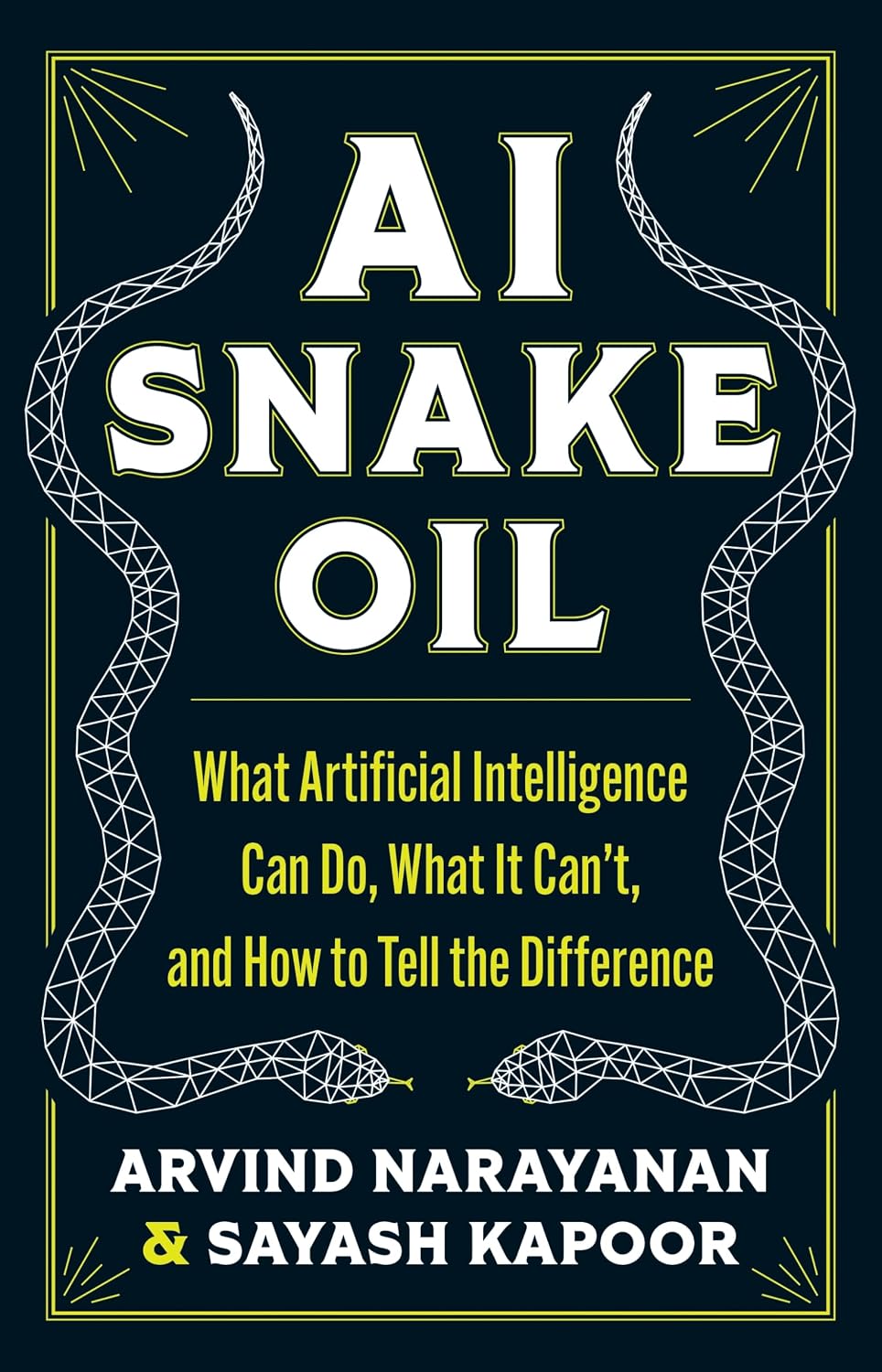
AI Snake Oil — Narayanan & Kapoor
The field guide to telling real AI capability from hype, by two Princeton computer scientists
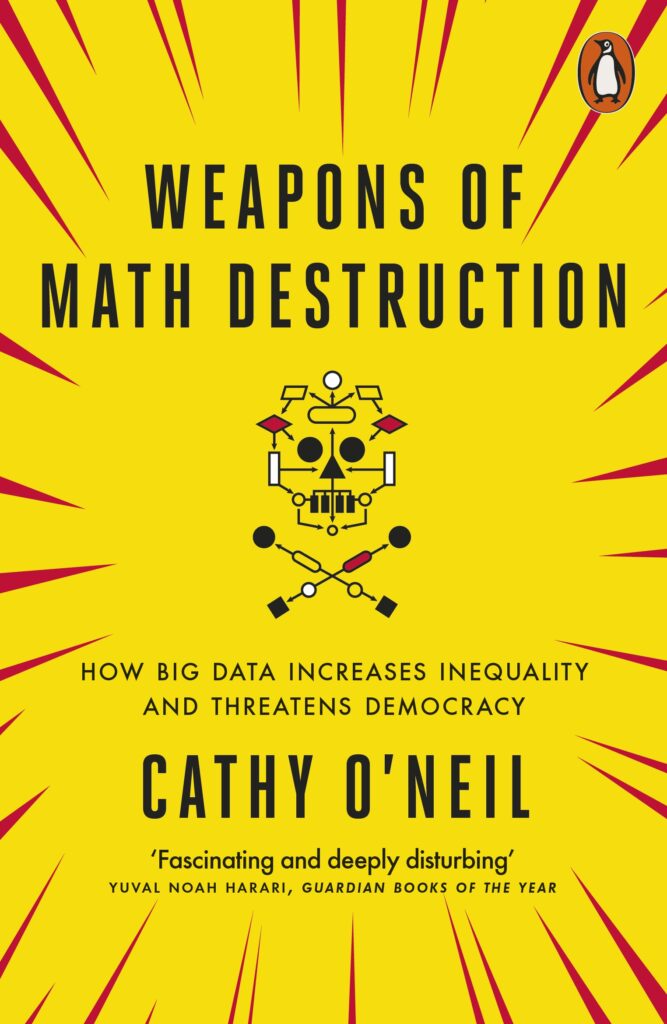
Weapons of Math Destruction — Cathy O’Neil
The classic on how opaque scoring systems quietly punish the wrong people
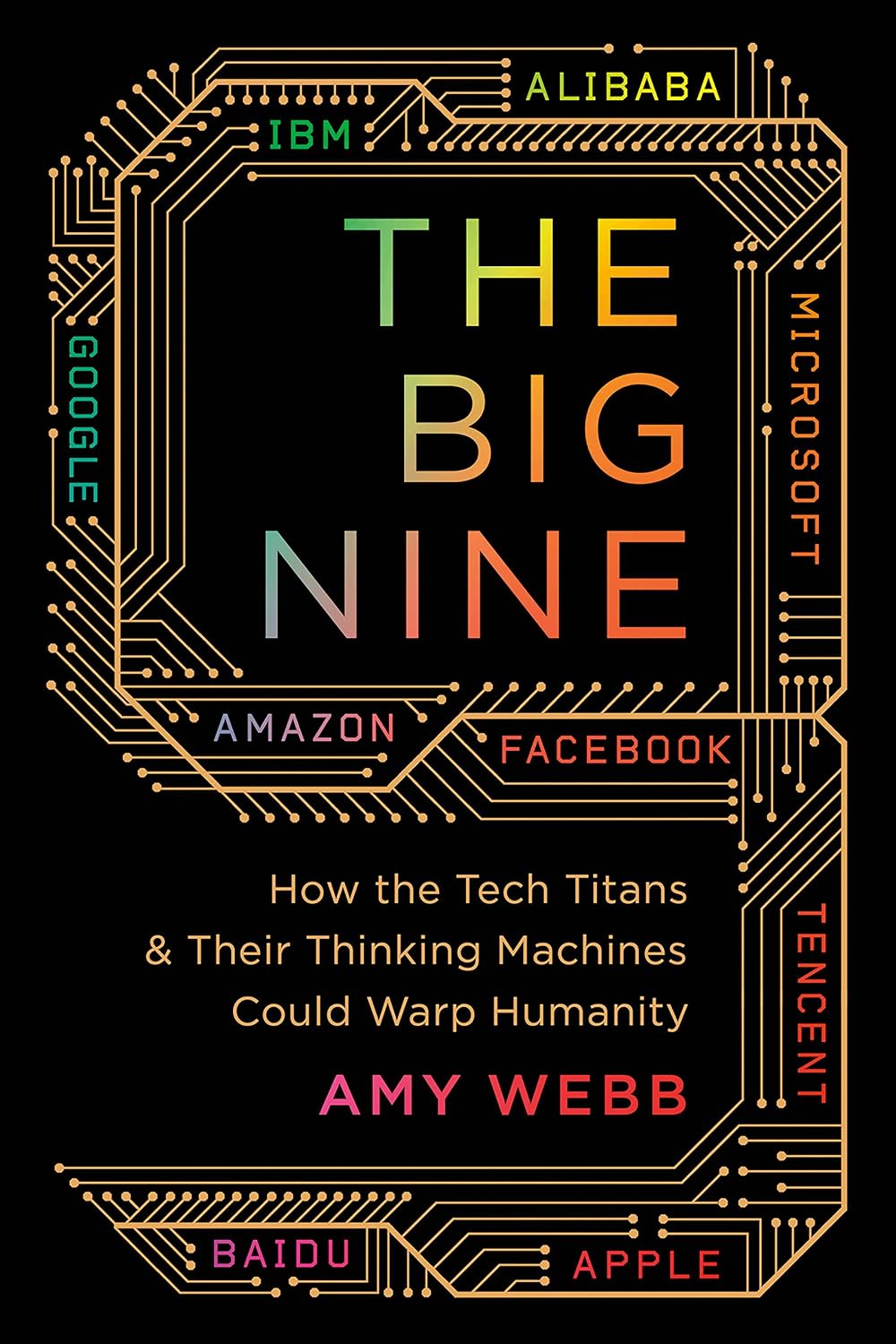
The Big Nine — Amy Webb
Who actually controls AI’s future, and what that means for everyone being scored by it
This site contains affiliate links. We may earn a commission on qualifying purchases.
FAQ
Is the Winston AI detector accurate enough to reject a freelancer’s draft?
No. Independent testing puts Winston well below its marketing figures — 71.0% overall in the RAID benchmark and 52.6% on paraphrased machine text — so a flag justifies a conversation and a request for drafts or an outline, not a rejection on its own.
Why does Winston AI claim 99.87% accuracy?
That figure comes from Winston’s own September 2026 test of 12,000 English documents using unedited AI output, with documents under 500 characters excluded. The company also notes results varied more on human web and SEO texts, which is the category most site owners actually screen.
Can Winston AI detect paraphrased or edited AI content?
Poorly. In the RAID benchmark its accuracy on paraphrased machine text was 52.6%, close to chance, and hands-on tests elsewhere saw overall accuracy fall to around 70% once lightly edited AI text was included. A light human edit is usually enough to break its statistical fingerprint.
How much does Winston AI cost for a small site?
After a 14-day trial with 2,000 credits, the Essential plan costs $18 per month billed monthly or $10 per month billed annually, as listed in September 2026. Advanced is $29 or $16 and Elite is $49 or $26 on the same monthly-versus-annual split.