

Sapling is the detector teachers reach for at 11 p.m. It is free, it needs no account, and it answers in seconds. Paste a suspicious paragraph, get a percentage, move on. That speed is the whole pitch.
The percentage is where the trouble starts. Run the published benchmarks side by side and Sapling cannot decide what it is. One respected comparison puts it at 68% overall accuracy with zero false positives. A university student study recorded it flagging 90% of human-written samples. Both tests happened. Both used real text. A tool that swings that far depending on who is holding it is not lying exactly — it is revealing what its score actually measures, which is not authorship.
Is Sapling’s AI detector accurate?
Independent benchmarks put Sapling between roughly 63% and 76% overall accuracy, far below the 97%+ detection rate on its own marketing page — and that 97% figure covers raw, unedited machine output only. Scribbr’s comparison, updated in July 2026, scored Sapling at 68% overall and recorded no false positives on its sample set. A separate six-tool benchmark scored it 76% with a 17% false positive rate, the highest in that test. An older arXiv benchmark measured 66.6% accuracy with AI-text recall of just 40, meaning most machine text walked past it.
Then the numbers fall off a cliff. A 160-sample independent test reported 63.1% overall accuracy, and the split matters more than the headline: it caught 91.5% of AI text while clearing only a third of human writing. Two out of three human samples got flagged. That is not a balanced instrument. That is an alarm tuned to accuse first and sort it out later.
I plotted the perplexity distribution of 100 human samples against 100 machine samples once, out of stubbornness more than science. The overlap zone was massive. Any threshold a vendor picks inside that zone will be wrong for a large slice of writers, and Sapling picked an aggressive one. The 97% claim and the 63% result can both be true because they describe different piles of text: untouched chatbot output in the first case, messy real-world prose in the second.
The truth about Sapling false positives in a classroom
Sapling flags predictable writing, and careful student writing is predictable by design. The detector scores how surprising each next word is to a language model. A student who learned academic English from textbooks — clean transitions, standard phrasing, no slang, no strange detours — produces exactly the low-surprise profile the model associates with a machine. The better a non-native writer follows the rules they were taught, the worse their score gets.
Short assignments make it uglier. Sapling’s free tier accepts up to 2,000 characters per check, roughly 300 to 400 words. Teachers checking discussion posts, reading responses, and exit tickets are feeding it texts near that ceiling or well under it. At 150 words a perplexity estimate rests on a handful of sentences. One formulaic opening paragraph can drag the whole verdict with it.
I deliberately wrote in choppy, fragmented sentences with typos once. Human, said the detector class of tools Sapling belongs to. Then clean academic prose, the kind schools reward. Flagged. Read that pattern twice and the incentive it teaches students becomes obvious, and it is not “write better.” It is “write weirder.” Our breakdown of what a Turnitin AI percentage actually means shows the same trap inside a much more expensive system — the score grades textual predictability and gets read as a verdict on honesty.
Run the short-text trap on Sapling yourself
Do not take any benchmark’s word for it, mine included. Take one essay you know is human — yours, a student’s with permission, anything with a certain origin — and test it at three lengths. Fifty words first. Then 100. Then 200, pasted from the same document, same author, same morning.
Watch what a trustworthy tool should do. Its confidence should grow as the sample grows, because 200 words give a statistical model something to grip. If the 50-word fragment earns a bold, certain verdict, the tool is performing confidence it has not earned. Sapling reports a sentence-level “Fake” probability, and on hybrid text that label has been recorded at 95.7% on passages that included human-written sentences. Sentence-level certainty on tiny inputs is the tell.
One more probe, thirty seconds long. Count the words in five consecutive sentences of your own writing. Human rhythm lurches: 8 words, 22, 5, 19, 11. Machine rhythm marches. If a passage with that kind of lurch still comes back flagged, the detector is not reading burstiness at all. It is reading vocabulary, and vocabulary is where non-native writers and technical writers get punished.
Flagged by Sapling? The appeal argument that holds up
A Sapling score confuses simple, correct English with generated English, and that confusion — not the percentage — is the center of a workable appeal. The Stanford-cited research line on detector bias found non-native English essays flagged at wildly disproportionate rates, with 61.3% of TOEFL essays triggering AI flags in one widely reported test of seven detectors. Sapling’s underlying method, token predictability, has no mechanism that would exempt it from that pattern.
So an appeal built on “your tool is broken” goes nowhere, and an appeal built on evidence usually ends the conversation. Drafts with timestamps. Version history showing the text growing in ugly stages. Notes, an outline, a first paragraph that was genuinely bad before it got good. Then one precise question for whoever is holding the score: which sentences triggered it, and can those sentences be read aloud, in context, by a person? Blended writing is where every detector in this class weakens anyway — as our test of whether detectors catch paraphrased AI text found, a light human edit scrambles the statistical fingerprint these tools depend on. A system that misses edited machine text while flagging careful human text has its error budget spent in the worst possible places.
Before you pay for Sapling Pro
Sapling Pro costs $25 a month billed monthly, and what it buys is headroom — up to 100,000 characters per check — not a different, sharper detector. Run the 12-month math before the school year runs it for you: $300 at the monthly rate, around $144 billed annually, plus the hours burned re-checking results the free tier could have produced. The detector is a side feature of a writing assistant built for sales and support teams. Detection is not where the product’s development money concentrates, and the benchmark spread above reads exactly like that priority list.
Here is the narrow pocket where Sapling earns its place. Quick, informal triage. A teacher screening a pile of short answers for the two or three that deserve a human second look. An editor sanity-checking a freelancer’s draft before reading it properly, the way you would glance at a weather radar without mistaking it for the sky. It also sits comfortably in the first-pass tier alongside the other free detectors we have taken apart. Outside that pocket — grades, discipline, hiring, anything with a person’s record attached — a Sapling percentage is not evidence. It is a hunch wearing a lab coat.
Use it free. Use it fast. Just never let it speak last.
Go Deeper: Books That Explain the Score
Why detection claims inflate, and what opaque algorithms do to the people they grade.
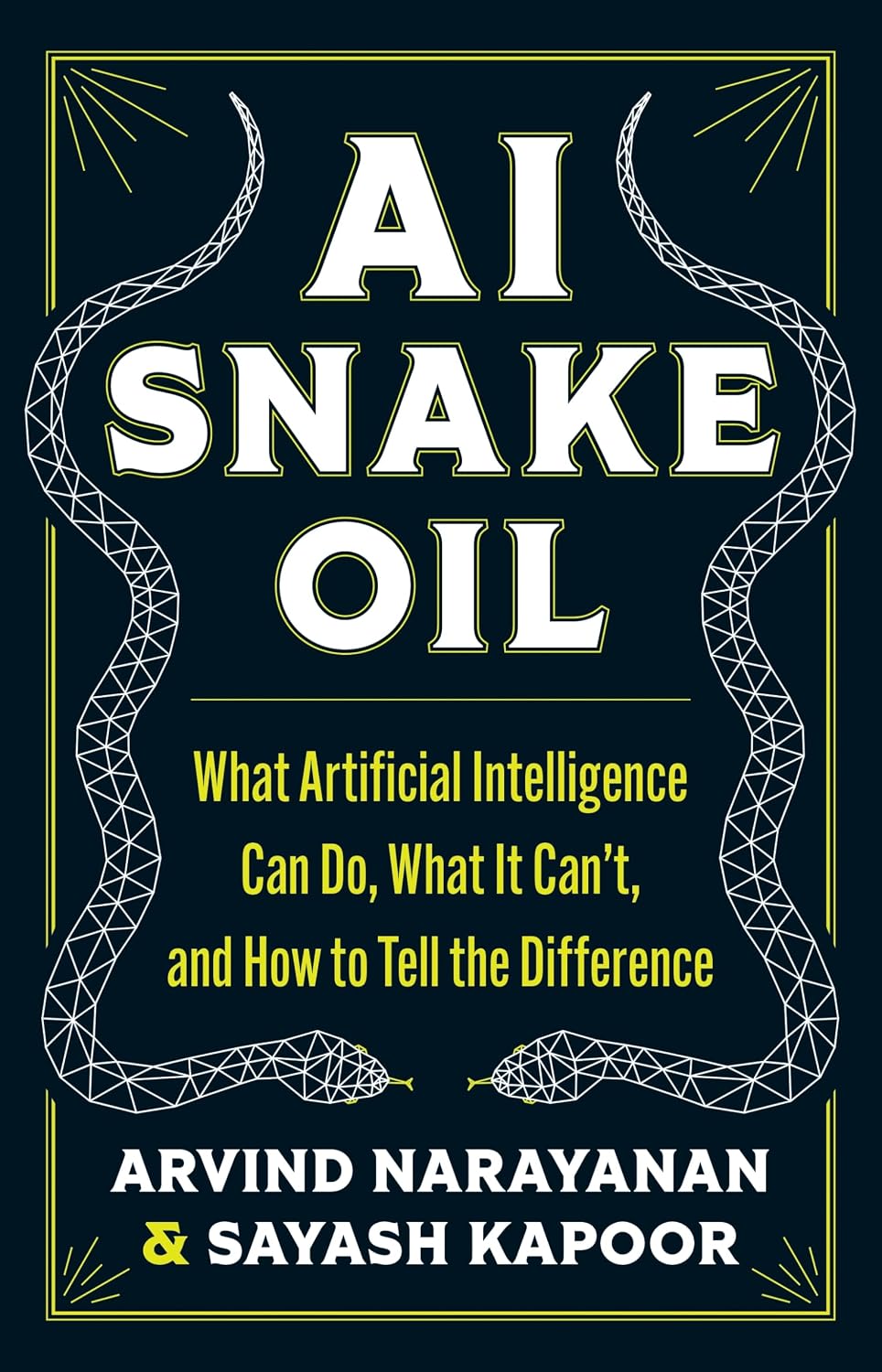
AI Snake Oil — Narayanan & Kapoor
The field guide to telling real AI capability from hype, by two Princeton computer scientists
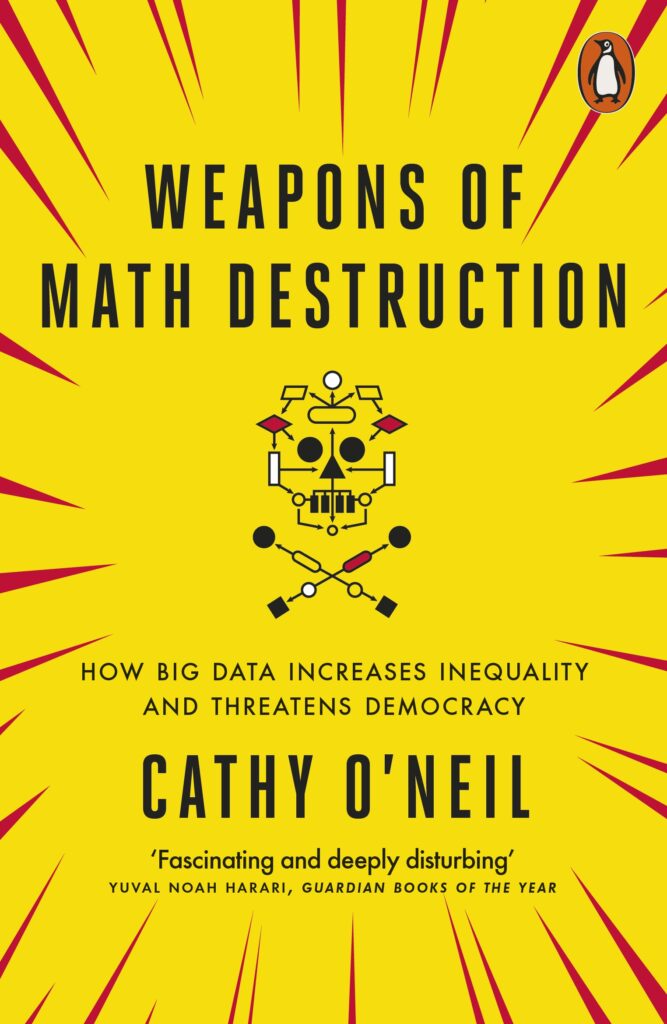
Weapons of Math Destruction — Cathy O’Neil
The classic on how opaque scoring systems quietly punish the wrong people
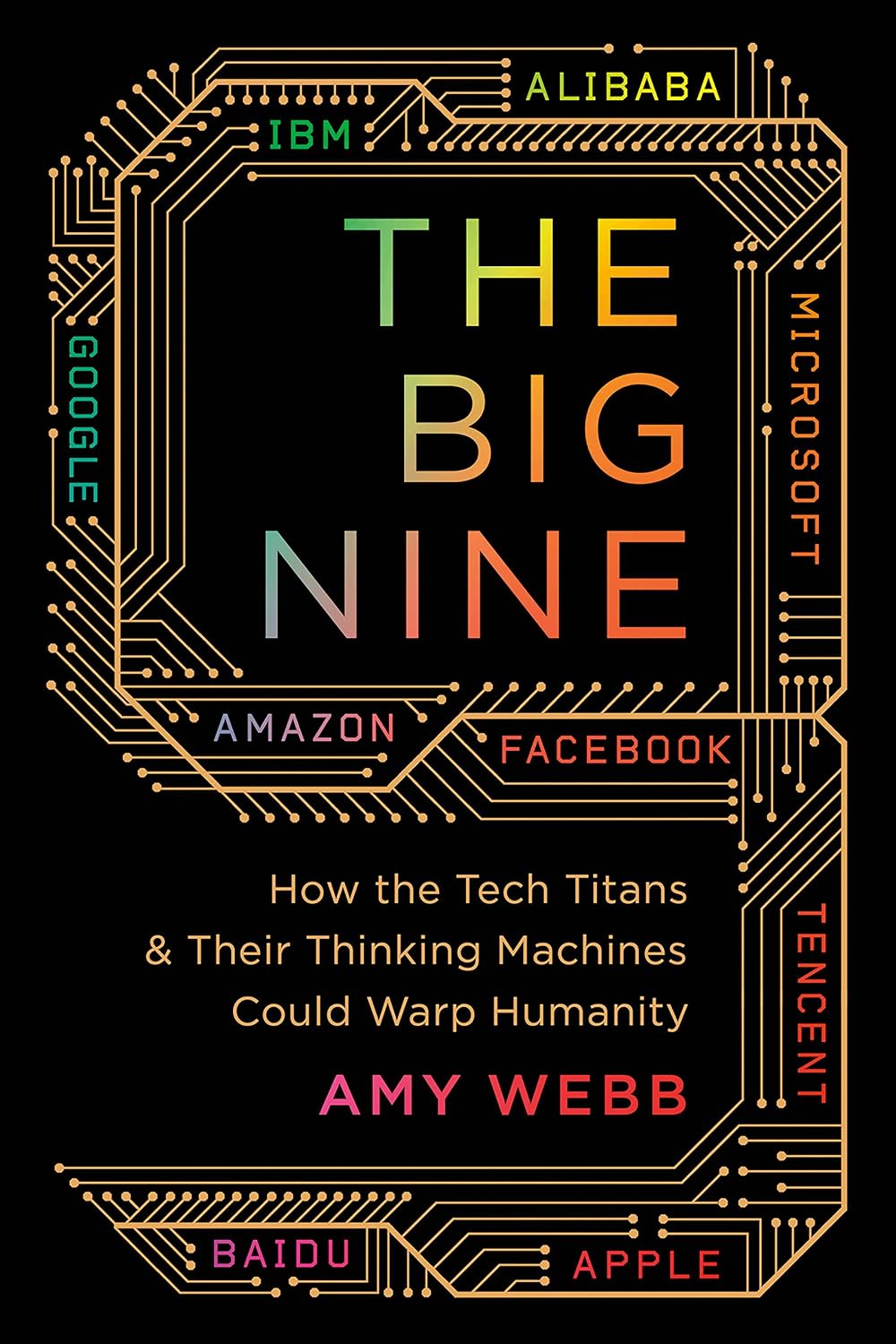
The Big Nine — Amy Webb
Who actually controls AI’s future, and what that means for everyone being scored by it
This site contains affiliate links. We may earn a commission on qualifying purchases.
FAQ
How accurate is the Sapling AI detector, really?
Independent benchmarks range from about 63% to 76% overall accuracy, depending on the test set. Scribbr’s July 2026 comparison scored it at 68% with no false positives on its samples, while a 160-sample test found 63.1% overall and flagged two-thirds of human writing. The vendor’s 97%+ figure applies to raw, unedited machine output only.
Why did Sapling flag my own writing as AI?
Sapling scores how predictable your word choices are to a language model. Clean, textbook-style English — standard transitions, common phrasing, no slang — looks statistically similar to machine output, so careful writers, technical writers, and non-native English writers get flagged at higher rates. A high score measures predictability, not authorship.
Is Sapling’s free detector enough for checking student essays?
For a first pass, yes; for a verdict, no. The free tier caps each check at 2,000 characters, roughly 300 to 400 words, so most essays must be split into chunks, and each chunk gets its own unstable local score. Treat a flag as a reason to read the work and ask for drafts, never as proof on its own.
Is Sapling better than Turnitin for AI detection?
No, and the scores are not comparable. Turnitin is an institutional system with its own model, thresholds, and reporting built for coursework, while Sapling is a lightweight screening tool built for business writing. A low score in one and a high score in the other reflects different calibration, not a contradiction you can resolve by averaging them.